

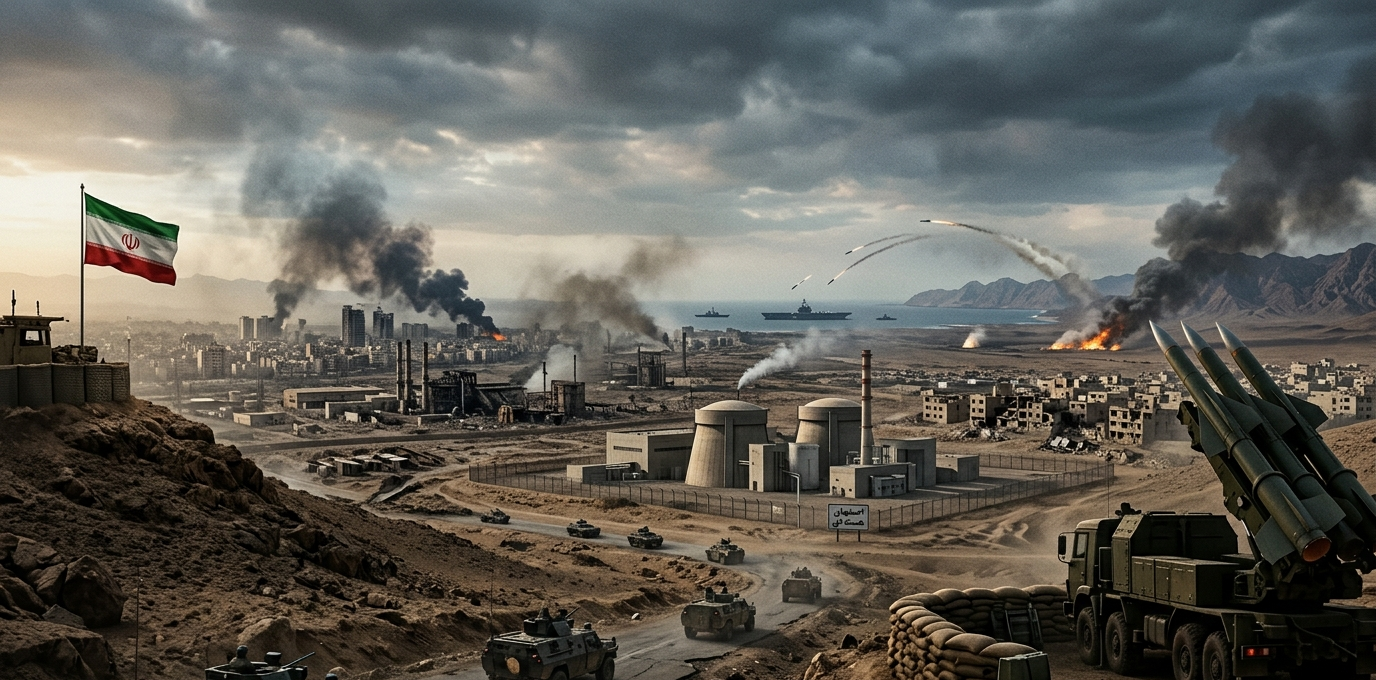

Since the end of the Cold War, a stable arrangement governed the transatlantic world. The United States would exercise overwhelming military and economic power far beyond Europe’s borders, and Europe would offer legitimacy, logistics, and silence. This arrangement was not written down, but it was rigorously enforced. When Gaza was reduced to rubble, Europe spoke of restraint while continuing arms shipments. at the time, when Syria collapsed into a permanent war zone, Europe spoke of complexity while aligning with American strategy. When Iran was threatened, sanctioned, and encircled, Europe spoke of deterrence and stability.
These were not moral failures in isolation. They were systemic features of an order built on distance. Violence was acceptable as long as it happened elsewhere, to people whose lives did not interrupt European comfort or political stability. Greenland Changed precisely, that.
The Geography of Outrage
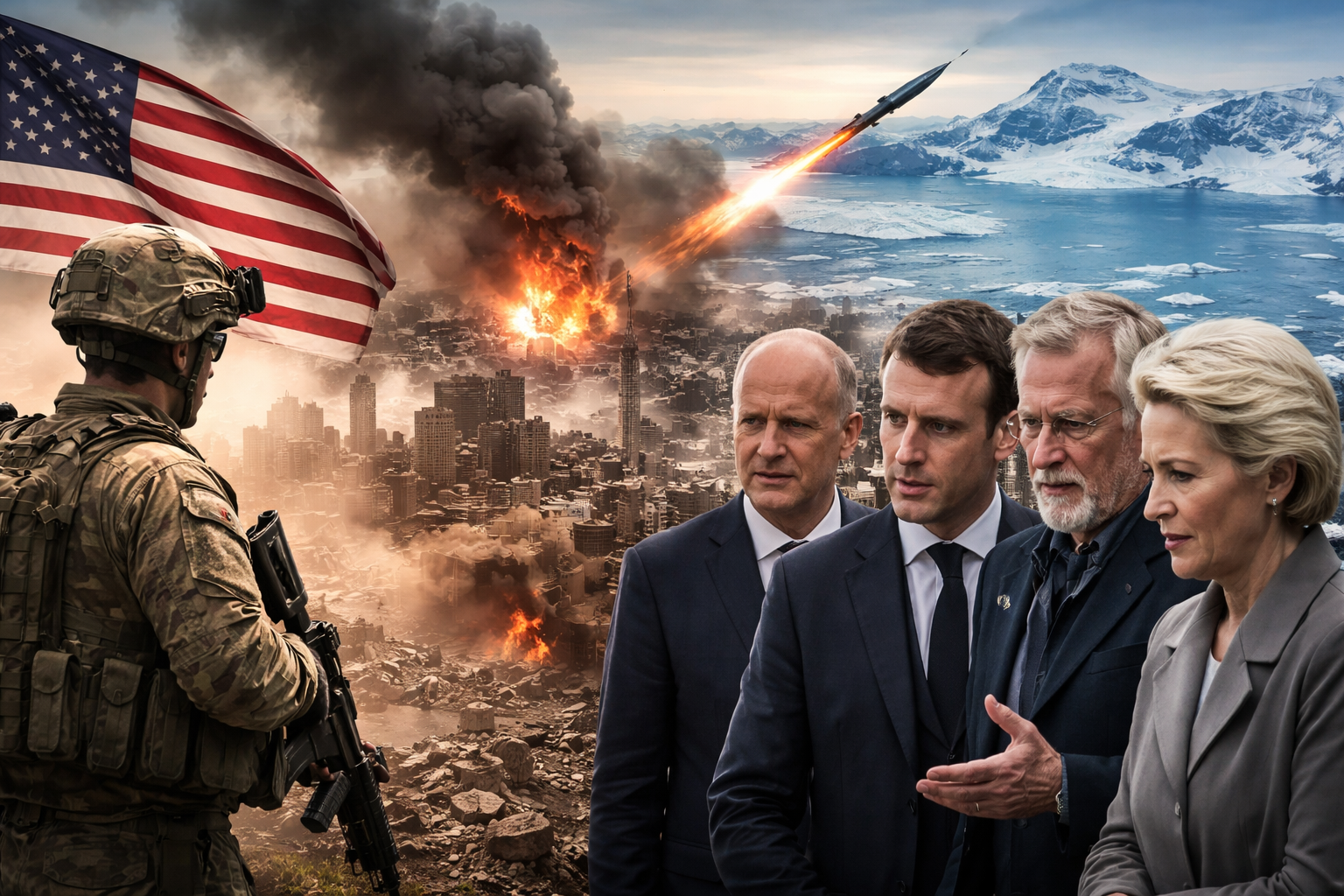
Greenland changed nothing materially and everything symbolically. The moment American power was discussed openly in relation to Greenland, tied to Denmark and therefore inseparable from the political space of the European Union, Europe reacted with alarm. Language hardened. Sovereignty was invoked. International law was rediscovered with remarkable urgency. This reaction was not about legality. It was about proximity.
Empire was tolerable when it moved south and east. It became intolerable when it gestured north. The same logic that justified airstrikes in West Asia suddenly looked obscene when applied to a territory Europe could recognise as its own. That recognition exposed the hierarchy that had always governed Western morality.
Acceptable Deaths and Sacred Borders
For decades, global politics operated on a quiet distinction. Some regions were zones of permanent exception. Others were protected spaces where norms still applied. The former could absorb endless violence without destabilising the system. The latter could not. Gaza belonged to the first category. Syria belonged to the first category. Iran was permanently threatened with being placed there. Greenland did not. The outrage over Greenland revealed a truth Europe rarely admits. The issue was never imperialism itself. The issue was where imperialism was allowed to operate.
Trump and the Collapse of the Performance
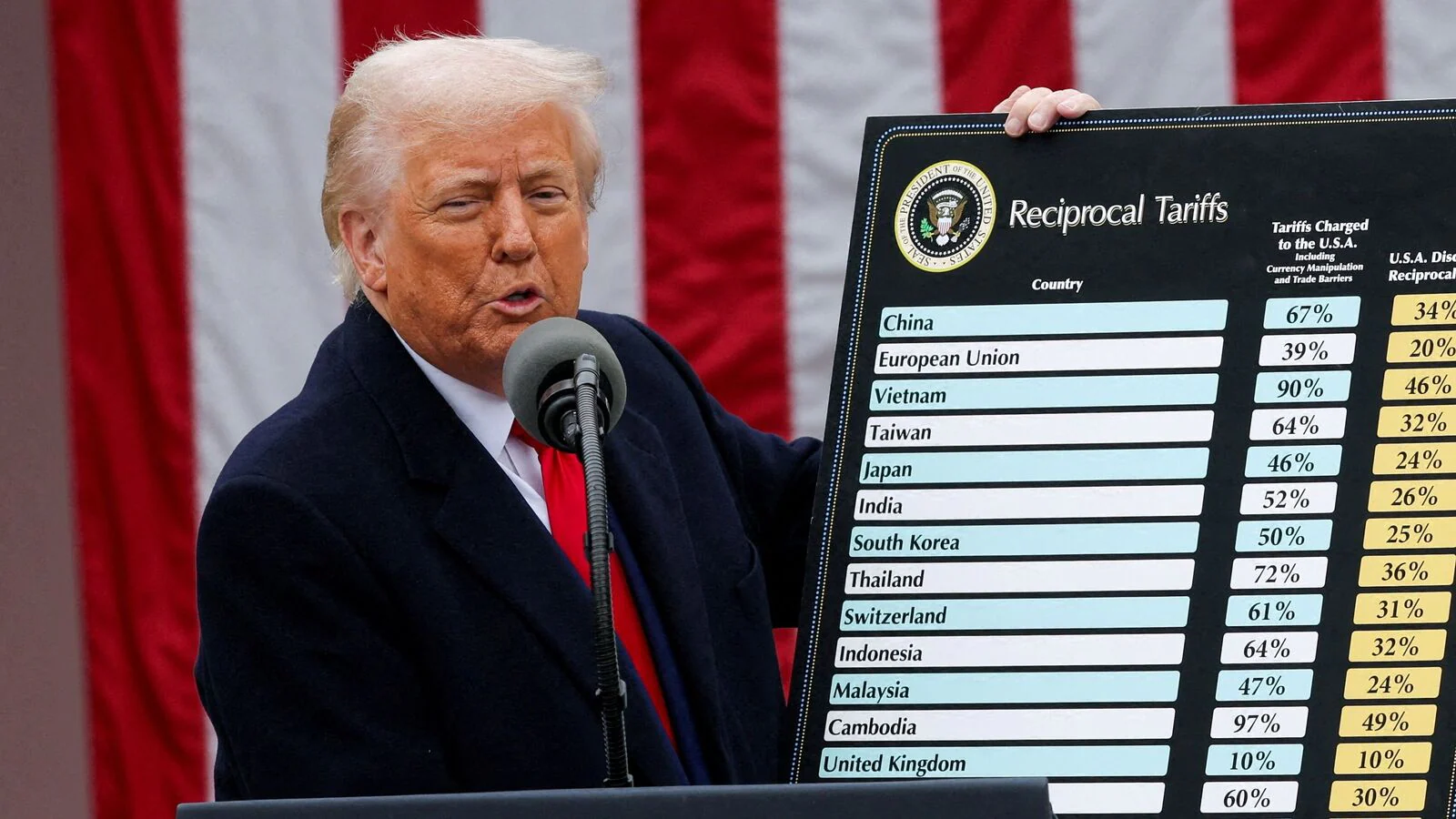
Much of the discomfort surrounding this moment is attributed to Donald Trump. This misreads the problem. Trump did not invent American dominance. He refused to aestheticise it. Previous presidents wrapped force in moral language. Wars were sold as humanitarian necessity. Occupation was reframed as responsibility. This allowed allies to participate without confronting the reality of what they were enabling. Trump disrupted this arrangement by speaking plainly.
Territory was discussed as territory. Power was discussed as power. Greenland was treated not as a moral obligation but as a strategic asset. This bluntness was shocking not because it was new, but because it removed the comfort of denial.
Trump would likely claim he is the most honest American president ever. As a moral statement, that is laughable. As a descriptive one, it is harder to dismiss. His honesty lay in refusing to pretend that empire was anything other than empire.
Why the Mask Was Essential
The post Cold War order depended on performance. American power had to appear benevolent. European alignment had to appear principled. This mutual fiction allowed violence to continue without triggering internal crises in liberal democracies. By January 2026, that fiction is visibly cracking.
When empire speaks without euphemism, it forces allies to confront what they have normalised. Europe’s sudden attachment to international law in the case of Greenland is not evidence of rediscovered ethics. It is evidence of conditional morality.
What This Moment Clarifies
For the Global South, this episode confirms what has always been understood. Human life is ranked. Some deaths mobilise outrage. Others are explained away. Some borders are sacred. Others are negotiable. What is new is that Europe has been pulled into the frame. Greenland mattered because it collapsed distance. It brought imperial language into a space where Europe could no longer pretend it was merely observing events elsewhere.
The End of Comfortable Hypocrisy
As of 21 January 2026, American imperialism is no longer fully hidden behind humanitarian vocabulary. Europe can no longer plausibly deny the structure it has defended and benefited from. The language is sharper now. The intent clearer. The moral theatre thinner. Trump did not make the system more violent. He made it harder to lie about. And once the lie is exposed, the question is no longer whether empire exists. The question is who objects only when empire comes close, and who was always willing to look away when it stayed safely distant.