



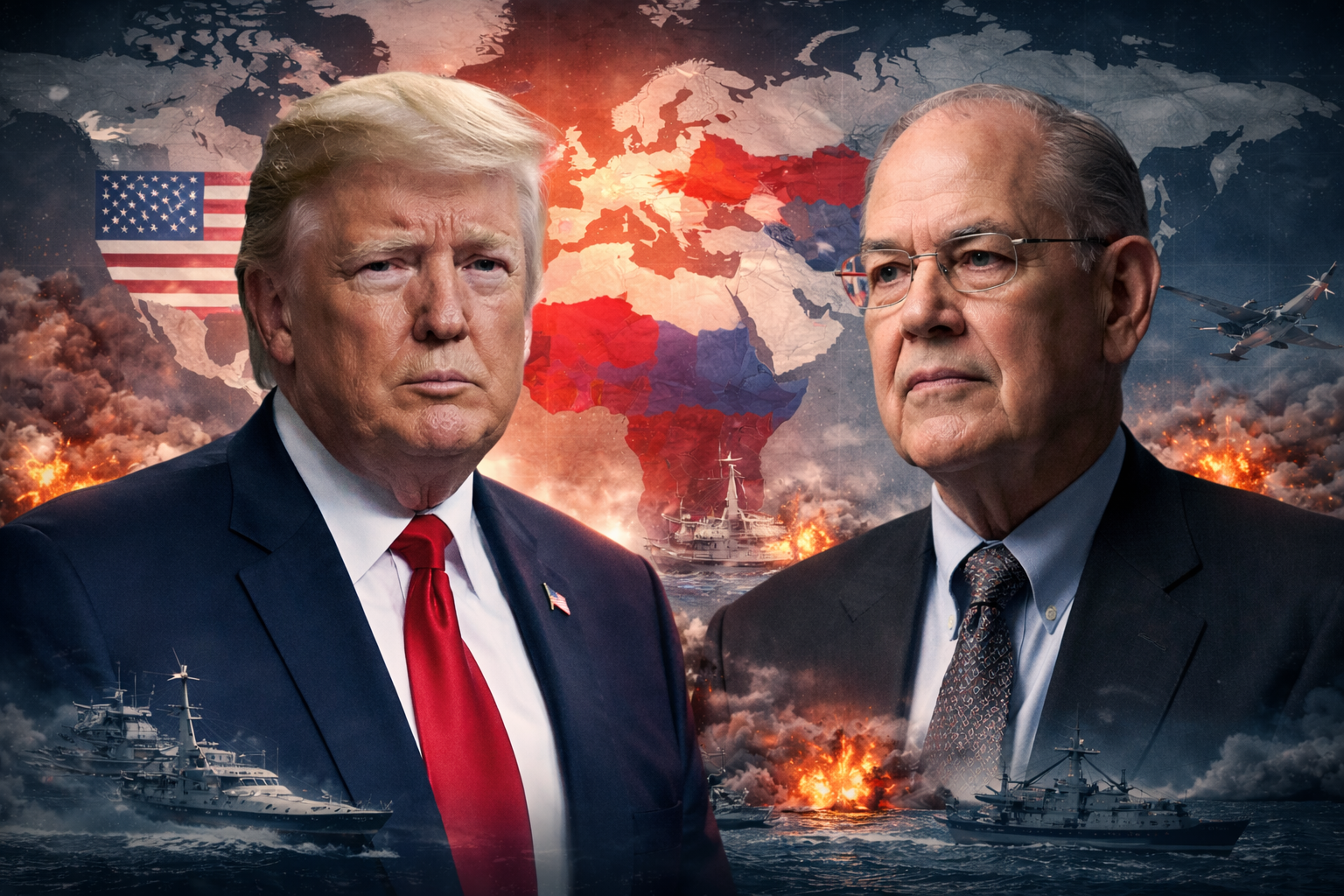
In an era of shifting global power dynamics, the foreign policy decisions of the United States under President Donald Trump have sparked intense debate among international relations scholars. Drawing from a recent analysis by John Mearsheimer, a prominent proponent of offensive realism, this essay explores Trump’s apparent strategy to reshape the international order. Mearsheimer, in a discussion on the Breaking Points podcast dated January 22, 2026, posits that Trump’s undermining of established institutions like the United Nations (UN) and his creation of new entities, such as the Board of Peace, may signal an ambition to forge a new world order grounded in great power politics. This observation raises profound questions: What sustains such institutions beyond Trump’s tenure? How do Mearsheimer’s theoretical frameworks illuminate these developments? And what broader implications do they hold for global stability in a multipolar world?
This essay synthesizes these inquiries systematically. It begins with an examination of Trump’s institutional innovations and their potential longevity, followed by concise summaries of Mearsheimer’s key theories. It then delves into the nuances of offensive versus defensive realism, the historical success of U.S. institution-building compared to that of China and Russia, the prerequisites for the emergence of an undisputed great power, Trump’s selective focus on smaller adversaries, and an interpretation of his endgame as a pragmatic response to the “tragedy” of great power politics. Through this lens, the essay underscores the magnitude of the ongoing transition: from a liberal international order to a more fragmented, realist-driven system where survival and relative power eclipse ideological aspirations.
Trump’s Vision for a New World Order and Its Post-Tenure Viability
Mearsheimer’s analysis suggests that Trump’s actions reflect a deliberate effort to dismantle the post-World War II liberal international framework, which he views as outdated and ineffective, and replace it with structures dominated by great powers. Central to this is the Board of Peace, initially conceived for Gaza’s reconstruction but evolving into a broader peacekeeping body with Trump appointed as lifetime chairman. This move aligns with Mearsheimer’s philosophy that only great powers possess the capacity to create and sustain global institutions, as smaller entities lack the requisite influence and resources.
However, the temporal constraints of Trump’s presidency (limited to three more years only) pose significant challenges. Global institutions do not materialize overnight; they require decades of negotiation, enforcement, and adaptation. Mearsheimer warns that Trump’s aggressive tactics, such as proposals to acquire Greenland or orchestrate regime changes, are alienating allies and fracturing coalitions. While this weakens the existing order, this same behaviour renders any new order fragile. One potential mechanism for transcendence is the Board of Peace’s superstructure, which positions Trump beyond the U.S. presidency in a role akin to influential post-political figures like Bill Gates through his foundation. This could enable sustained personal influence, but its success hinges on endorsement from other great powers like China and Russia. Absent such buy-in, the initiative risks collapsing, highlighting the inherent instability of institution-building in a multipolar environment where power asymmetries persist.
Summaries of Mearsheimer’s Political Theories
To contextualize Trump’s strategy, it is essential to outline Mearsheimer’s foundational theories, each of which critiques liberal optimism and emphasizes the anarchic nature of international relations.
Offensive Realism: Articulated in The Tragedy of Great Power Politics (2001), this theory asserts that the absence of a global authority compels great powers to aggressively pursue relative power maximization for survival. Unlike defensive realism’s status quo orientation, offensive realism posits that uncertainty about intentions and shifting capabilities drive states toward regional hegemony, perpetuating competition and conflict, a “tragedy” where rational actions yield instability.
Critique of Liberal Hegemony: In The Great Delusion (2018), Mearsheimer lambasts U.S. efforts to export democracy and markets globally as delusional, arguing that liberalism thrives domestically but falters in an anarchic “thin” international system dominated by nationalism and realism. This leads to backlash, overextension, and endless wars; he advocates restraint focused on great power rivalry.
The Israel Lobby and U.S. Foreign Policy: Co-authored with Stephen Walt (2007), this work argues that a pro-Israel coalition disproportionately shapes U.S. Middle East policy, prioritizing Israel’s interests over American ones, entangling the U.S. in conflicts like Iraq and harming broader security.
The False Promise of International Institutions: In a 1994-1995 article, Mearsheimer debunks claims that institutions like the UN can transcend anarchy, asserting they merely reflect state interests and fail to prevent security dilemmas, as evidenced by historical failures like the League of Nations.
These theories collectively frame Trump’s actions as a rejection of institutional illusions in favour of power-centric realism.
The Paradox of Offensive and Defensive Realism
A key insight from the discussion is the inherent limitations of both realist variants. Defensive Realism, associated with Kenneth Waltz, assumes states can achieve security through balance and restraint. However, Mearsheimer critiques this for its status quo bias: in anarchy, where intentions are opaque and offense-defence distinctions blur, a defensive posture invites exploitation by aggressive actors. Thus, defensive strategies prove unsustainable against offensive realists who seize opportunities for gain.
Conversely, Offensive Realism embodies a paradox: the relentless pursuit of hegemony, while rational for security, often provokes coalitions, drains resources, and leads to overreach and collapse, as seen in historical cases like Napoleonic France or Nazi Germany. This “tragedy” locks states in a cycle where security-seeking breeds insecurity. This probably underscores Trump’s selective aggression: targeting vulnerabilities without global escalation, as it appears to this observer, is an approach that embraces a nuanced adaptation.
Historical U.S. Institution-Building Versus China and Russia’s Limitations
The United States’ post-World War II dominance enabled the creation of institutions like the UN, NATO, and World Trade Organization (WTO), blending hard power with soft power appeals of democracy and prosperity. In contrast, China and Russia struggle to replicate this success due to multifaceted constraints.
For China, soft power deficits stemming from its authoritarian model and perceived propaganda limit appeal, but deeper issues include economic vulnerabilities (e.g., slowdowns, currency controls) and ideological clashes with liberal norms. Initiatives like the Belt and Road or Asian Infrastructure Investment Bank focus on regional leverage, while BRICS remains fragmented by internal rivalries (e.g., India-China tensions) and lacks enforcement mechanisms.
Russia faces steeper challenges. Its Ukraine invasion has eroded its soft power appeal to a great extent. The imposed sanctions have hit its economy and energy superiority. Moscow remains aligned with Beijing through institutions like the Shanghai Cooperation Organization, but their power efforts remained limited due to the entrenched U.S.-led order, mutual suspicions, and the uncertainty that lines the Global South.
In Mearsheimer’s view, true institution-building demands unchallenged dominance, which neither possesses globally.
Prerequisites for an Undisputed Great Power’s Emergence
Historically, undisputed hegemony arises from cataclysmic events like World War II, which left the U.S. as the sole hegemon. In today’s multipolarity marked by U.S. decline, Trump’s erraticism, China-Russia revisionism, and hedging by India, UAE, or Saudi Arabia, a return to unipolarity requires profound disruptions.
Mearsheimer deems global hegemony impossible due to geographic barriers like oceans. Pathways include major wars (e.g., escalation in Taiwan or Ukraine), internal collapses (e.g., China’s demographics or Russia’s exhaustion), technological breakthroughs, or alliance shifts. Absent these, rivalry persists, with global devastation as the likeliest catalyst.
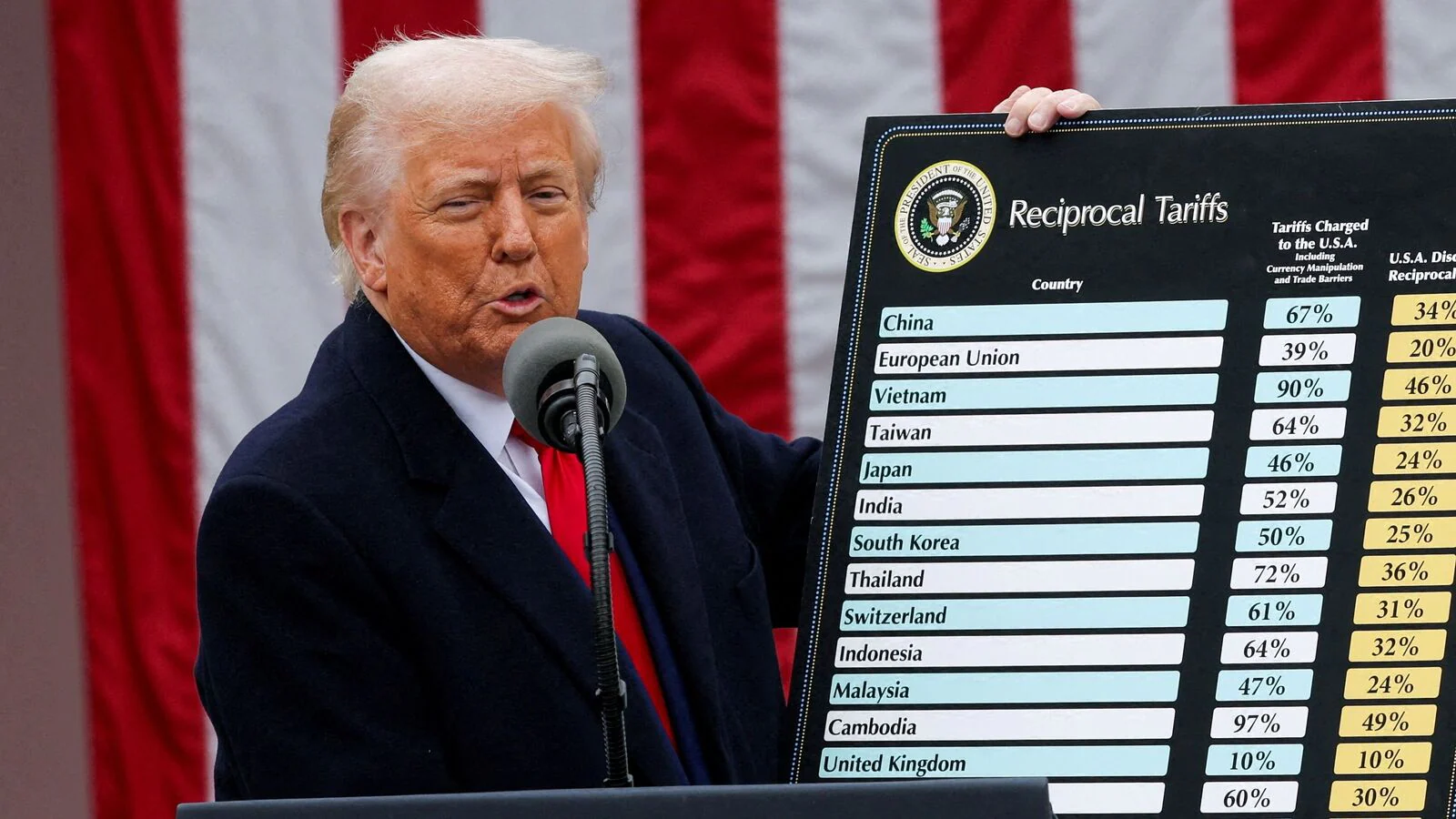
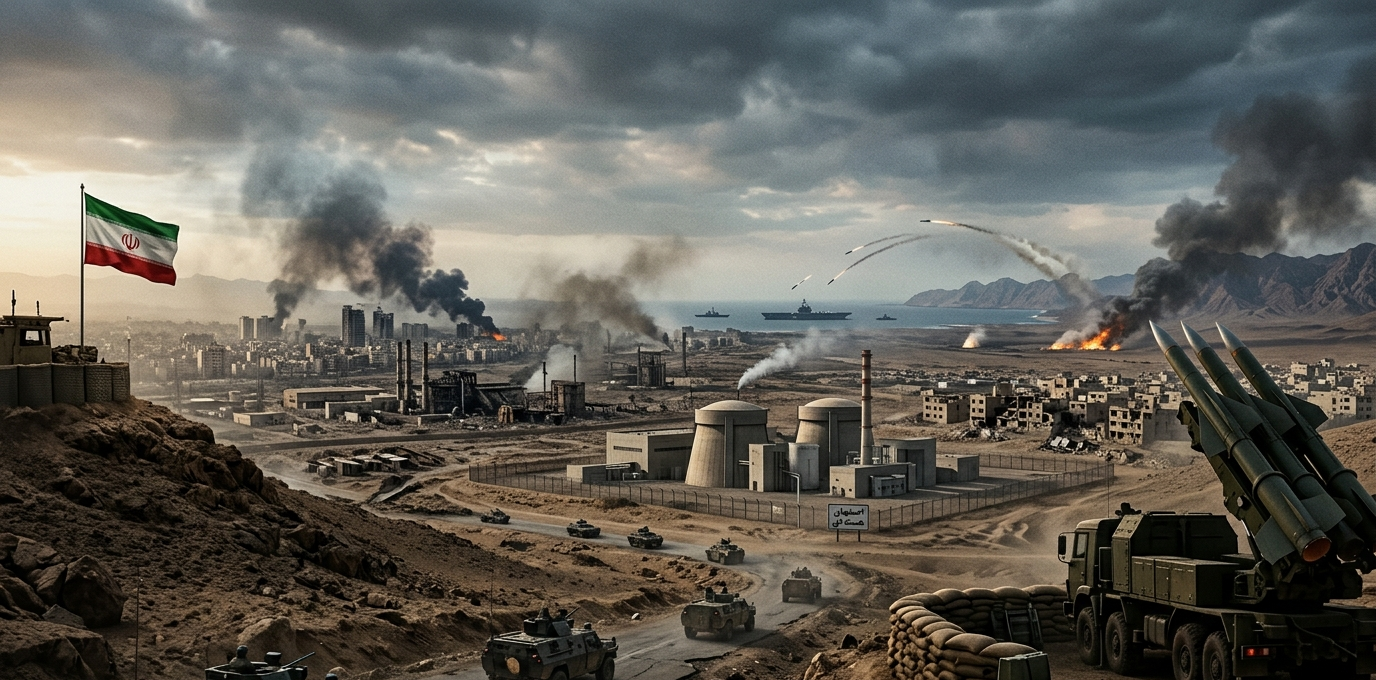
Mearsheimer observes Trump’s prioritization of “smaller guys” like Venezuela, Cuba, and Iran, along with pressuring allies like the EU, over direct confrontations with Russia and China. This “old-style imperialism” exploits asymmetries: economic sanctions, airstrikes, and regime change on the cheap, as in Venezuela’s oil-driven ouster of Maduro or Iran’s protest-fuelled instability.
The Logic Behind Trump’s Focus on Smaller Adversaries and Allies
This approach avoids escalation with peers, fostering a modus vivendi while dismantling liberal institutions. Indirectly, it weakens China by securing resources and demonstrating resolve, though blowback risks alienating the Global South.
Interpreting Trump’s Endgame: A Realist Response to the Tragedy
Trump’s strategy can be seen as an intuitive grasp of Mearsheimer’s tragedy: consolidating regional hegemony in the Western Hemisphere to perpetuate U.S. supremacy without overstretch. This action would echo imperial geographic orders, prevent exhaustion by ceding distant spheres (leaving the Eastern Hemisphere to its regional powers) while focusing on core interests. Yet, in multipolarity, such restraint may prove temporary if rivals consolidate.
Conclusion
The discourse surrounding Trump’s foreign policy, illuminated by Mearsheimer’s realism, reveals a pivotal juncture in international affairs. From institutional reconfiguration to selective imperialism, these developments signal a retreat from liberal universalism toward a pragmatic, power-based order. The magnitude is profound: in a world where great powers’ ambitions fuel perpetual rivalry, the absence of an undisputed hegemon portends instability, potentially resolved only through crisis. As middle powers hedge and rivals probe, the U.S.’s ability to navigate this tragedy without self-inflicted decline will define the coming era.