


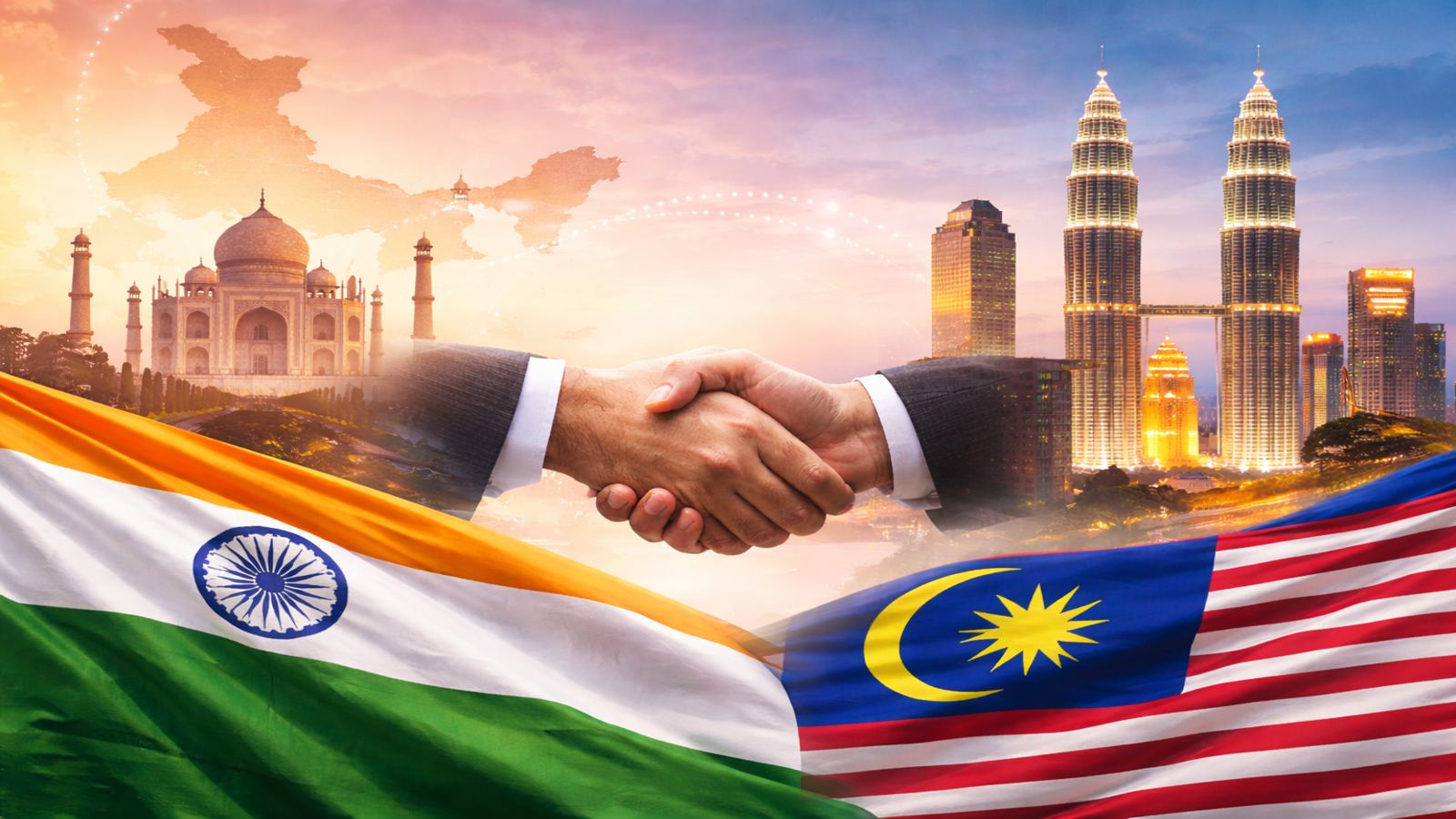
India and Malaysia share a relationship that runs deeper than most bilateral partnerships in the region. It operates across multiple layers at once, from semiconductors and tourism to labour mobility, culture, heritage, and everyday people-to-people ties. This is not a relationship held together only by policy documents. It is sustained by movement, memory, and familiarity.
Prime Minister Narendra Modi’s recent two-day state visit to Malaysia brought many of these layers into the open. During the visit, he engaged extensively with the Indian diaspora and met the Malaysian leadership, including Prime Minister Anwar Ibrahim and senior cabinet ministers.
The Diaspora as Diplomatic Infrastructure
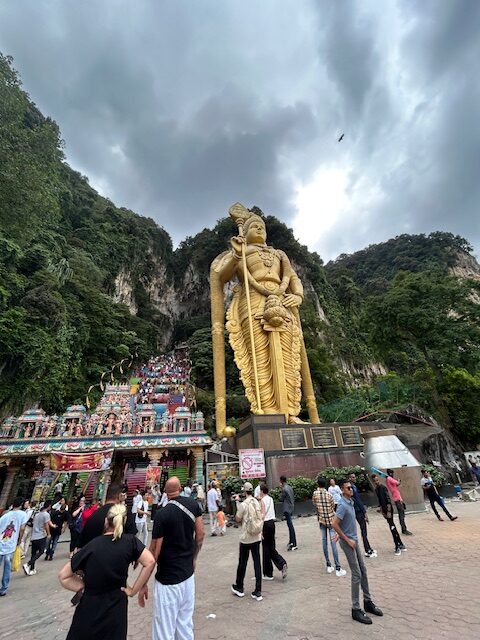
One of the strongest moments of the visit was the large cultural gathering with the Indian diaspora. Thousands were present, including members of Telugu associations, Tamil Sangams, and Sikh organisations. Prime Minister Modi addressed the audience in Punjabi and spoke directly to the Tamil community, acknowledging their long-standing cultural ties with India.
He also spoke about the Overseas Citizenship of India card, not as an abstract policy tool, but as something that has quietly enabled continuity. It has allowed families, traditions, and cultural habits to remain intact across borders.
At one point, the Prime Minister noted that senior Indian ministers such as Nirmala Sitharaman, S. Jaishankar, and Murugan are ethnically Tamil. The point was not symbolism for its own sake. It was a reminder that Tamil Nadu’s relationship with Southeast Asia is not recent and not superficial. Tamil culture remains one of India’s most visible and influential exports in the region.
Anwar Ibrahim and Cultural Memory
Prime Minister Anwar Ibrahim’s relationship with India is shaped as much by culture as by diplomacy. During his state visit to India in August 2024, he struck an unexpected chord with the Indian public when he sang a Raj Kapoor song at the Taj Mahal Hotel in Delhi, accompanying himself on the piano.
Anwar Ibrahim understands some Urdu and follows Tamil music closely. He comes from Penang, a port city shaped by centuries of trade, migration, and cultural mixing. That background matters. It reflects the pluralism that defines much of Malaysia’s social landscape.
His political journey has not been smooth. He spent years in prison on politically motivated charges before returning to power as head of the National Unity Government. Today, he is well into the third year of his five-year term, running an administration that has so far held together under difficult circumstances.
Cinema, Culture, and Shared Histories
The cultural relationship between India and Malaysia is not confined to state visits. A Malaysian public intellectual once shared an anecdote that captures this well. Raj Kapoor’s Sangam was hugely popular in Malaysia during the 1960s and ran to packed theatres for extended periods.
During that era, the film industries of Tamil Nadu, Malaysia, and Singapore were closely connected, particularly around the time of the Shaw Brothers. One of the earliest Malaysian films was directed by a Bengali filmmaker, which is often forgotten today.
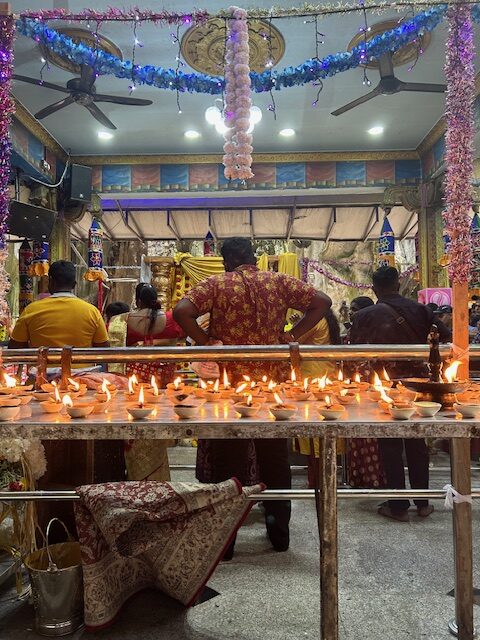
These connections extended beyond Tamil cinema. Shashi Kapoor’s 1960 film Singapore was shot at Haw Par Villa, a Chinese theme park that still exists. These are not just nostalgic details. They are part of a shared cultural memory that continues to shape how communities see one another.
Agreements That Matter Beyond Headlines
Several agreements were signed during Prime Minister Modi’s visit, covering semiconductors, scholarships, and cultural institutions. These include the Thiruvalluvar Scholarship and the establishment of a Thiruvalluvar Centre, building on the existing Thiruvalluvar Chair at the University of Malaya.
But the most consequential outcome of the visit does not sit in the headline space. It sits in the labour corridor and the social protection mechanisms that quietly shape the lives of migrant workers.
The Labour Corridor and Invisible Workers
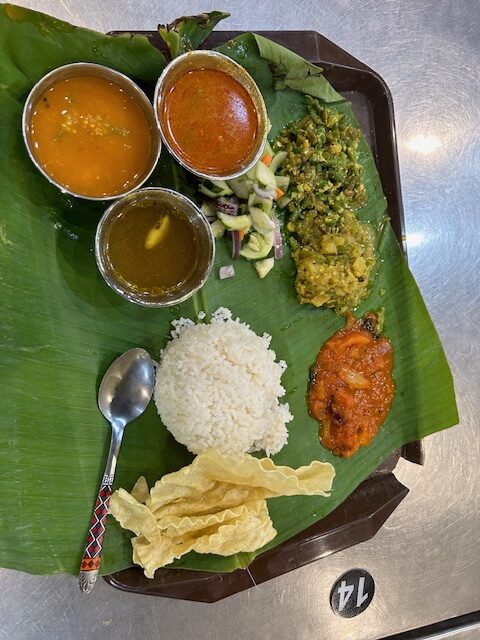
Indian workers from Tamil Nadu, Kerala, Uttar Pradesh, Bihar, West Bengal, and Tripura form a significant part of Malaysia’s food and beverage workforce. Many are employed in Nasi Kandar establishments, which are Malay-Muslim adaptations of Indian cuisine shaped over decades.
Workers from Pakistan and Bangladesh are also present in this sector, but Indian workers, particularly those from Tamil Nadu, are often preferred. This is something that comes up repeatedly in conversations on the ground.
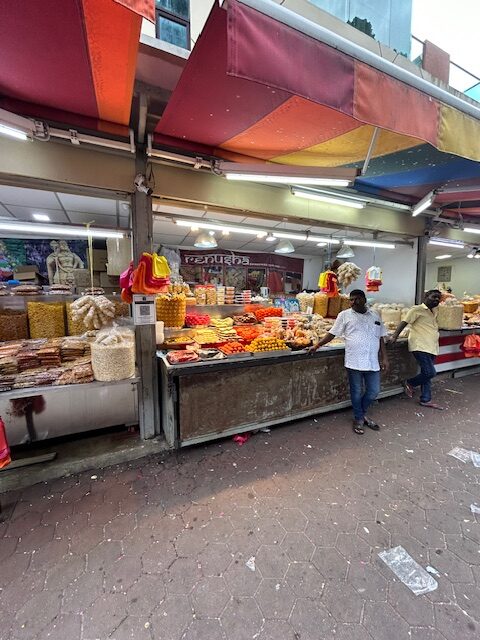
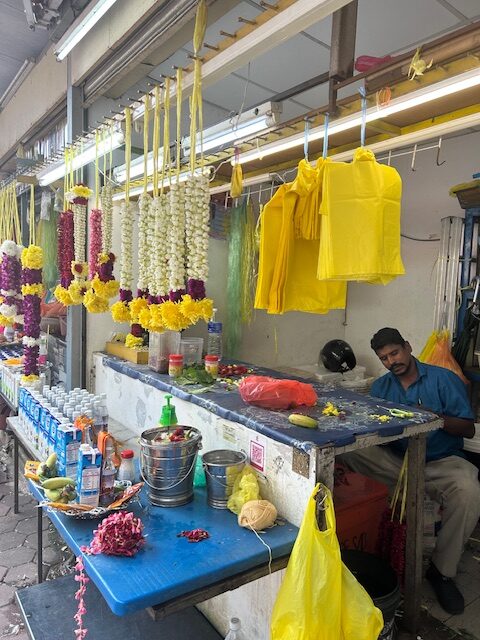
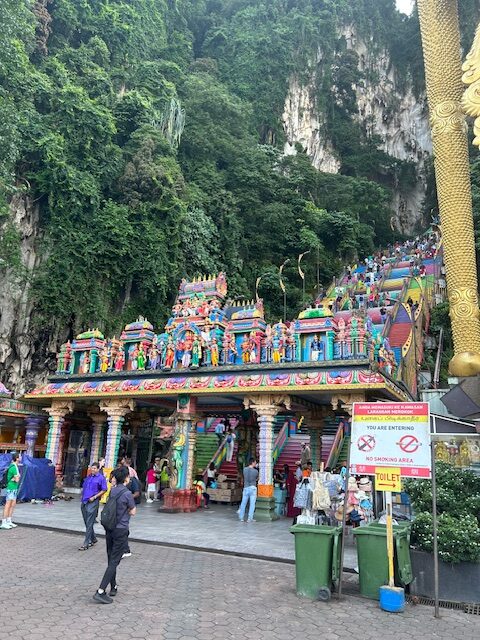
I have personally interacted with hundreds of workers from the Thanjavur and Madurai belt who worked in what are locally called mamaks, preparing roti canai and teh tarik. Teh tarik itself was referenced by Prime Minister Modi during his diaspora address, which showed a familiarity with everyday cultural exchange rather than ceremonial symbolism.
In his speech, he also spoke about the Azad Hind Fauj, Netaji Subhas Chandra Bose, cinema, food, and shared historical memory. The message was layered and deliberate.
Social Security Across Borders
Among the memorandums of understanding signed during the visit, one deserves particular attention. India’s Employees’ Provident Fund Organisation has been linked with Malaysia’s PERKESO, the country’s social security institution previously known as SOCSO.
PERKESO has recently opened provisions for foreign migrant workers to contribute to its fund. Uptake may be limited in the early stages, largely because of increased costs for employers. Even so, the importance of this linkage should not be underestimated.
When Systems Fail Migrant Workers
The absence of transnational social protection has real consequences. I have assisted workers from Uttar Pradesh, Bihar, and Tripura who returned to India after workplace injuries, unpaid wages, or sudden termination. Many returned with no savings and outstanding recruitment-related debts.
A recent case in the Masjid India area brought this into public view. A worker from Kerala, employed at a Nasi Kandar outlet, was found living as an undocumented migrant after not being paid for five to six months. With no means of survival, the case escalated into national media coverage. Only after intervention by the Indian High Commission was he paid, assisted, and sent home. In situations like this, even partial access to EPFO or PERKESO could have changed the outcome.
Why the Fine Print Matters
Migrant workers often fall through existing protection systems because of language barriers, lack of awareness, or limited access to civil society organisations such as the North-South Initiative or Tenaganita. These issues rarely dominate official narratives during high-level visits, but they define everyday migrant life.
Remittances sent by migrant workers sustain families across Punjab, Kerala, Tamil Nadu, and increasingly in the Simanchal region of Bihar. Social protection is therefore not just a labour issue. It is a development issue.
A Necessary Step Forward
From a socio-economic and skills mobility perspective, transnational social protection mechanisms are no longer optional. They are overdue. The EPFO–PERKESO linkage may not generate dramatic headlines, but it represents something more important. It represents security where there was none before.
Written By : Manishankar Prasad.
Kuala Lumpur–based consultant and researcher-writer Manishankar was born in Bombay and grew up in Muscat. His work primarily focuses on the intersection of high finance and transnational migration. You can reach him at his linkedin here – https://www.linkedin.com/in/manishankarprasad/