




The emerging Iran–Israel confrontation may not only reshape regional security but also force the Gulf monarchies to rethink the political and economic foundations of the Khaleej order.
The Cartography of Power in the Middle East
The blowtorch of brute power moulds cartographies. That is the innate nature of power: the two world wars, the interwar Sykes-Picot Agreement¹ to remake the Middle East after the Ottoman fragmentation, the Nakba and the creation of Israel, and a litany of conflicts have shown that the attempt has been to shape the Middle East for the past century.
The global 1979 moment, as written by author Kim Ghattas of Black Wave and scholar Arang Keshavarzian², has shown that the region was shaped for good into two sectarian camps, the Wahhabi ideological strain and the Shia revolutionary variant.
Oman: The Quiet Diplomat
Oman, the Switzerland of the Middle East (or the Western Indian Ocean), has been a peace negotiator between Iran, Yemen (various factions including the Houthis) and the United States for the last decade. The sultanate used to host an Israeli trade office until 2000. Oman, with its unique politics, had a working relationship behind the scenes with not only the Israelis but also Apartheid South Africa and White Rhodesia, where royal confidant Tim Landon kept business interests in the arms trade and oil.
Oman’s counter-revolutionary credentials are steadfast, given that it defeated Marxists in Dhofar with British SAS, Jordanian and Persian support. The ‘Monsoon Revolution’³ died down in 1980, with the leader of the Dhofar Liberation Front, the Kuwait-educated Yusuf Alawi, becoming the Foreign Minister under the late Sultan Qaboos.
His protégés from the Foreign Ministry are now running current-day Oman, Sultan Haitham bin Tarik Al Said, who started his career as a diplomat after studying the diplomacy program at Oxford and a man in the news, the person who succeeded Yusuf Alawi in 2020, Minister Sayyid Badr bin Hamad Al Busaidi. The Omani Crown Prince is also a former diplomat, again educated at Oxford like his father, and, at present, is the Deputy Prime Minister.
Diplomacy Before the War
The ongoing Iran-Israel-US-Gulf conflict was the stuff that the Obama-esque JCPOA in 2015, and the Omani-mediated talks, were trying to prevent for a long time. Minister Sayyid Badr Al Busaidi, the Omani Foreign Policy veteran, a product of the Qaboos State’s strategic thinking, went to meet VP JD Vance and spoke to the American media a few hours before the first Israeli strikes on Iran, which is unprecedented for the Omanis, who prefer opening the rooms for negotiations fuelled by Omani Gahwa. The Omani understanding, which DC or Tel Aviv might have missed through a hawkish lens, is that a revolutionary state has believers and martyrs, not mere soldiers.
And Iran is not Venezuela and is a veteran of perennial wars from the Iran-Iraq war, which was fought to cut Iran down to running a proxy non-state actor regional Shia-scape from Hezbollah to the Houthis to the Al Sadr Brigade in Baghdad. The holiest sites of Shia Islam are Najaf and Karbala in Iraq.
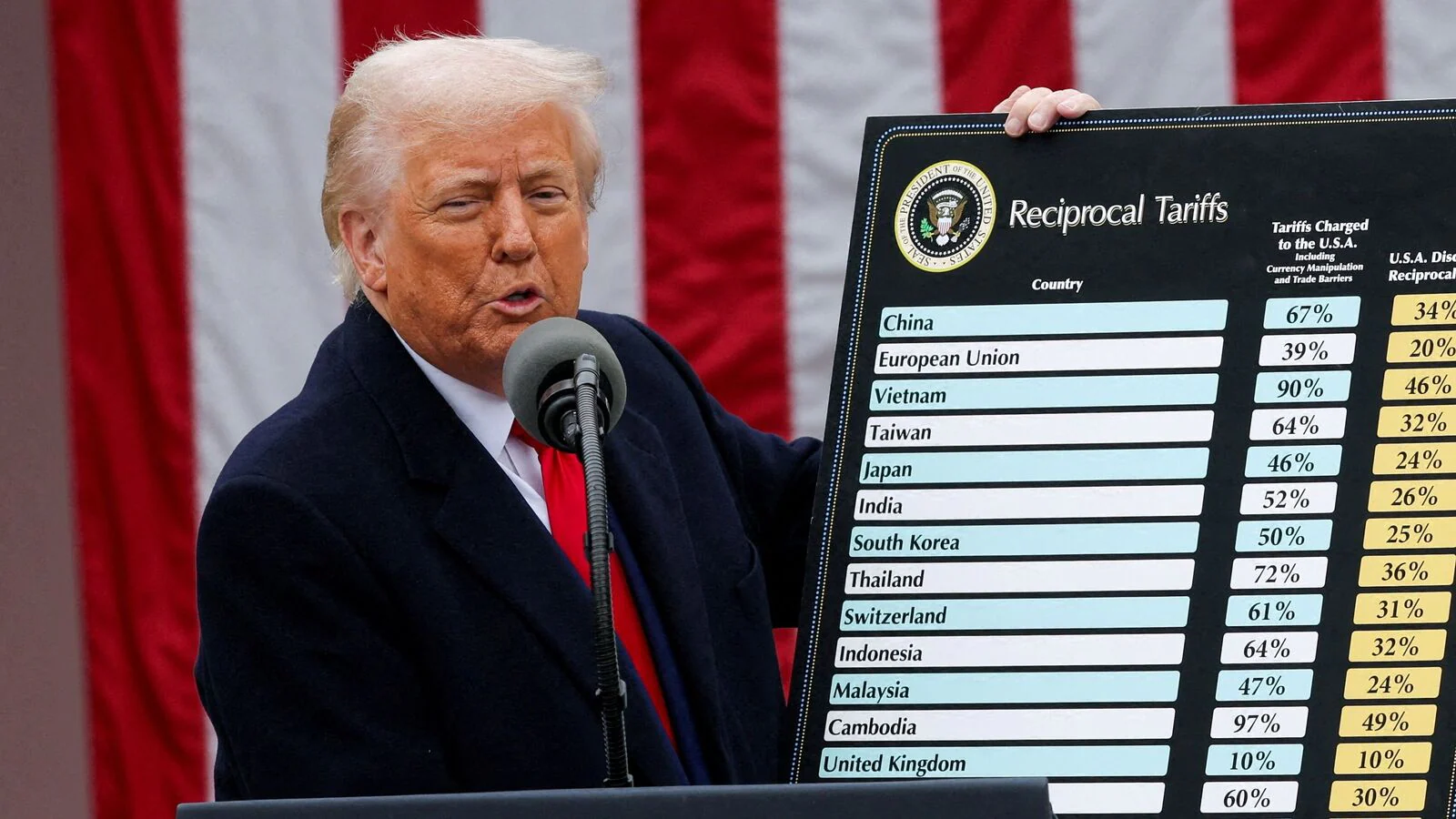
Syria was a loss for the Mullah-cracy, which might have given Israel the hint for a regime change operation, with Russia tied down in a staggered war in Ukraine and China concerned about tariffs or Taiwan rather than saving its allies in Caracas to Damascus.
The war gaming and scenario planning at the Hudson Institute and the Hoover Institution, which Dr Rice heads, might have given an inkling towards regime change after the limited strikes last year, which included a Qatari policeman’s death in the Israeli missile strike on the Hezbollah headquarters in Doha. The multidimensional chess game of Qatari Foreign Policy with Hezbollah, Taliban, and the Iranians seemed to have only held back the carnage for so long.
The War Reaches the Gulf
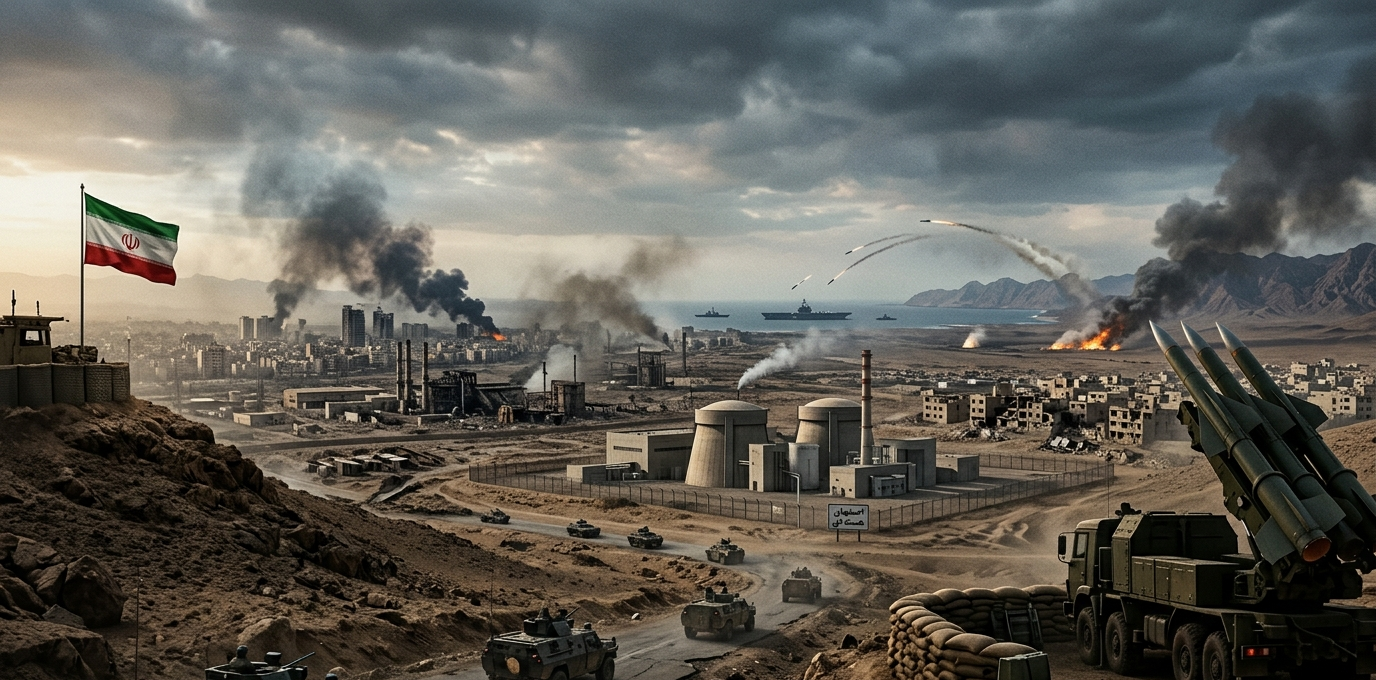
The Ayatollah has been elevated to Shia martyrdom in the Holy Month of Ramadan, and the IRGC has been hitting targets from Fuel Tank Facilities in Ad Duqm (a strategic dual-use port) to Kuwait City (where its new airport terminal was hit), with embassies, desalination plants in Fujairah along the Indian Ocean, airport terminals in Dubai, Doha and Kuwait and posh hotels all game. This is the core fear security analysts have been warning about for a decade, as gas fields have been shut in Qatar to the airport in Dubai during the war.
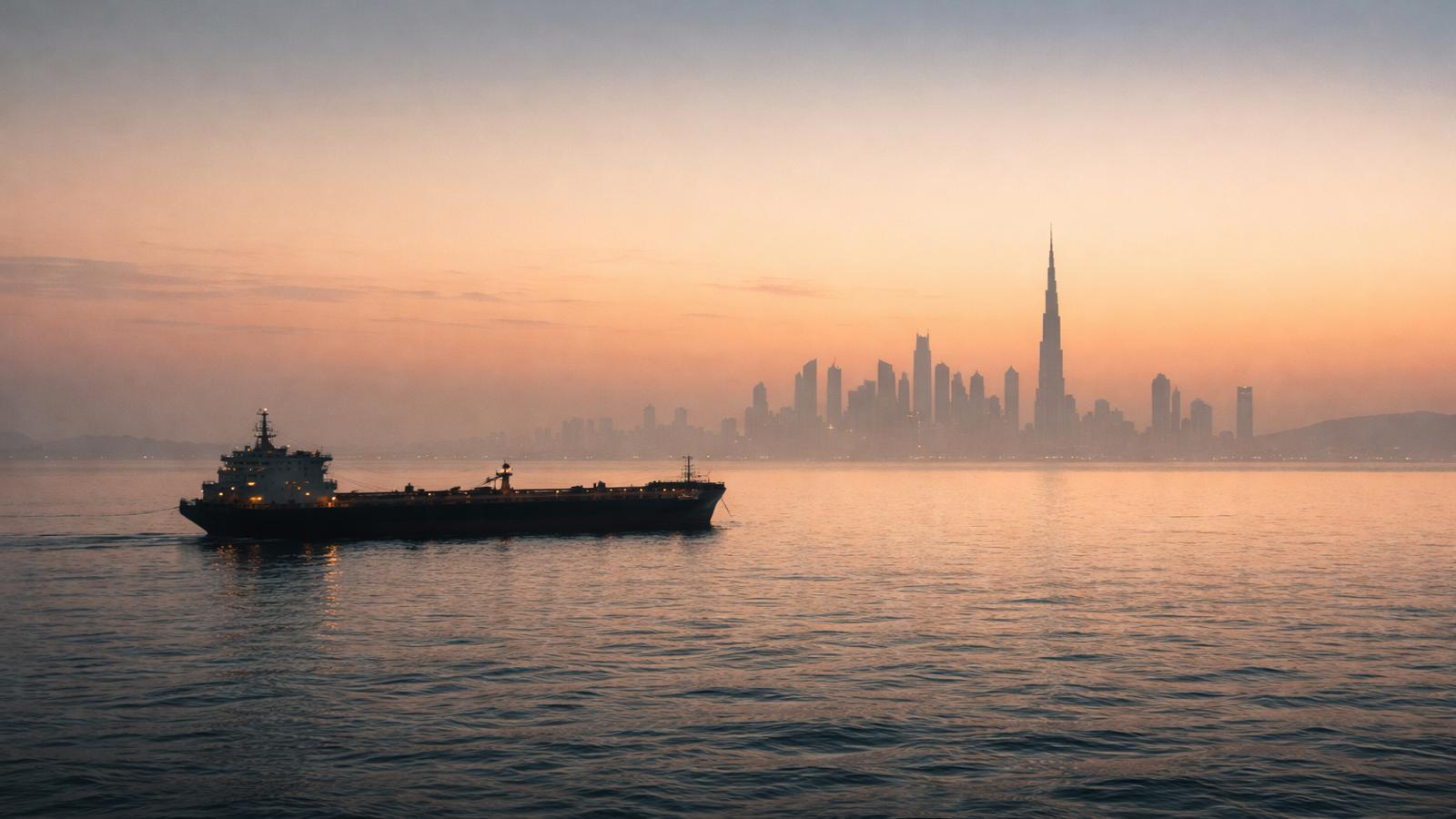
The biggest takeaway from the drone hits has been the shattering of Brand Dubai as a safe investment destination, where the global nouveau riche park their money and yachts at the Dubai Marina in exchange for a ten-year Golden Visa. Among the business community and the film fraternity in my hometown of Bombay (which had an Arab community until the 1960s), a Golden Visa was a status symbol.
R Madhavan, Chetan Bhagat, and Vivek Oberoi have their families based in Dubai.
The Structural Shock to the Gulf Model
The post-oil transition moment of the Gulf has not only been jolted out of slumber, but it has also accelerated, and it is time to reimagine its playbook.
Bahrain’s Shia majority has started protests akin to the 2011 Arab Spring, with Saudi forces on the ground. Dubai will take the brunt of the attacks, with Doha, Kuwait City and Manama rethinking the model of a citizen elite (with the family book with the correct Nasab) and a temporary guest worker base with a sprinkling of real estate investors in the middle, configured along the racial logic of the Kafala system.
Creating a pathway to a tiered citizenship for educated expats with a commitment to settle down should not be difficult, as there are multigenerational expat families in Dubai, Muscat and Manama. The UAE has started a conscription system, which would need to be expanded. Its armed forces have a lot of foreigners, such as Bahrain, which gives nationality to its Sunni soldiers from the Fauji Foundation⁵.
Oman has a Hindu Merchant Community from Kutch, which includes citizens such as the Khimji Family scion Pankaj Bhai Khimji, who is an advisor to the Sultan, in charge of the relationship with Indian business elites in Mumbai and Delhi. Oman has also given passports to doctors and businessmen, such as the Sobha Developers Owner, PNC Menon.
Citizenship and the Post-War Pivot
The Qatar Blockade was a wake-up call to the Al Thani family to expand the citizenship pool, which it did. A post-war Khaleej has a lot of lessons for the region, with security on the radar literally, the pivot lies in creating a cadre of expats turned citizens who would fight for you and eventually pay taxes. The Gulf states would ultimately need taxes and need people who would happily pay and invest in return for a passport, without asking for political participation.
South Asian expats would hardly risk that, as the region tends to strip people of citizenship who are viewed as dissidents. Kuwait carries out this kind of purge with an alarming regularity. There is no chance in jahannum to be a Mamdani here, sorry, he is a Shia anyway.
Between the Desert and the Sea
Although it would be a hard sell in a polity structured along tribes. It is truly between a rock and a hard place, or between the desert and the sea. The Abraham Accords were a game-changer in retrospect and a bitter pill to swallow for the UAE and Bahrain. But Israel and the Gulf States are on the same page, which was unthinkable a few years ago. The time for a pivot is here and never waste a war for the necessary changes to take place.
Footnotes
- https://www.britannica.com/event/Sykes-Picot-Agreement
- Arang Keshavarzian, author of Bazaar and State in Iran: The Politics of the Tehran Marketplace.
- See UK Declassified and Phil Miller’s Keenie Meenie for broader context on British counterinsurgency involvement in Oman.
- Abdel Razzaq Takriti, Monsoon Revolution: Republicans, Sultans, and Empires in Oman, 1965–1976.
- Ameem Lutfi, PhD thesis, Duke University, on Sunni recruitment in Bahraini security forces and links with Pakistan’s Fauji Foundation.
Written By : Manishankar Prasad.
Kuala Lumpur–based consultant and researcher-writer Manishankar was born in Bombay and grew up in Muscat. His work primarily focuses on the intersection of high finance and transnational migration. You can reach him at his linkedin here – https://www.linkedin.com/in/manishankarprasad/



1 Comment
The Khaleej Ripple Effect: The Second Order Impacts of the Third Gulf War
March 5, 2026[…] […]