



Pakistan’s favourite occupation since the Zia era is a triple-distilled version of the iman they adhere to. The obsession with a non-Hindu identity has led to Ertugul being a top watch in the country, to celebrating Mohammed bin Qasim’s win in Sindh, proclaimed as the historic starting point of the Pakistan state. In Benedict Anderson’s words, a country is an Imagined Community, yet this is taking one’s imagination a bit too far, as a good Englishman from Exeter would quip.
My Mohajir neighbours from Sadr Bazaar in Karachi, in a Gulf country where I grew up, used to curse India with colourful epithets whenever I got them out in our version of tape ball cricket on a sand track, with my slow medium pace interspersed with off cutters. Another prominent intervention from an Indian standpoint was the Sharjah Cup, which, until 1998, was held on Pakistani soil. Sachin Tendulkar, with back-to-back centuries, changed Sharjah for the traumatised Indian Cricket fan forever. Karachi Darbar during Ramadan was a go-to place for Haleem and Afghani Naan in Muscat and Dubai. As a Gelf kid (as Manishankar recalls), Pakistan was everywhere, including watching PTV for comedy productions, now popularly adapted to the Kapil Sharma Show.
For many decades, since the partition, Pakistan was the preferred labour provider to the Gulf. The then Omani Sultan kept Indian POWs in a fort in Muscat during the 1971 war. The city of Faisalabad was named after King Faisal of Saudi Arabia. Saudi Arabia lent its planes to the technically superior Pakistani Air Force during the 1965 war. Well, it was the Cold War environment, and Pakistan was a Warsaw Pact member and a bulwark against the communist USSR. It was the frontline from 1979 to 1989, in which Saudi Arabia was a major sponsor; Osama bin Laden, the civil engineer who built the ‘base’ (Al Qaeda), moved to support the Afghan Jihad against the Godless Khalilis, or the Soviet proxy administration.
Pakistan International Airlines laid the foundation of Emirates, the leading airline owned by the Government of Dubai, in 1986. Pakistani journalists were brought in to set up Arab News in the 1970’s in Saudi Arabia. Pakistan always maintained a brigade within the Saudi Army from the beginning and has been known to train air force pilots of many a Gulf nation.
Bahrain, with its demographic peculiarity of a Shia majority with a Sunni ruling family, has been ripe for Pakistani army servicemen to gain naturalisation upon retirement from the security forces. This has been key towards a demographic rebalancing, which would make China proud. The Baluch have been known for centuries for being the preferred martial community for the Gulf Arabs. Many Baluch officers with a nasab from the Makran coast. One of the two pilots who passed away in a helicopter crash in the UAE recently, during the new Gulf War, was an Al Balushi.
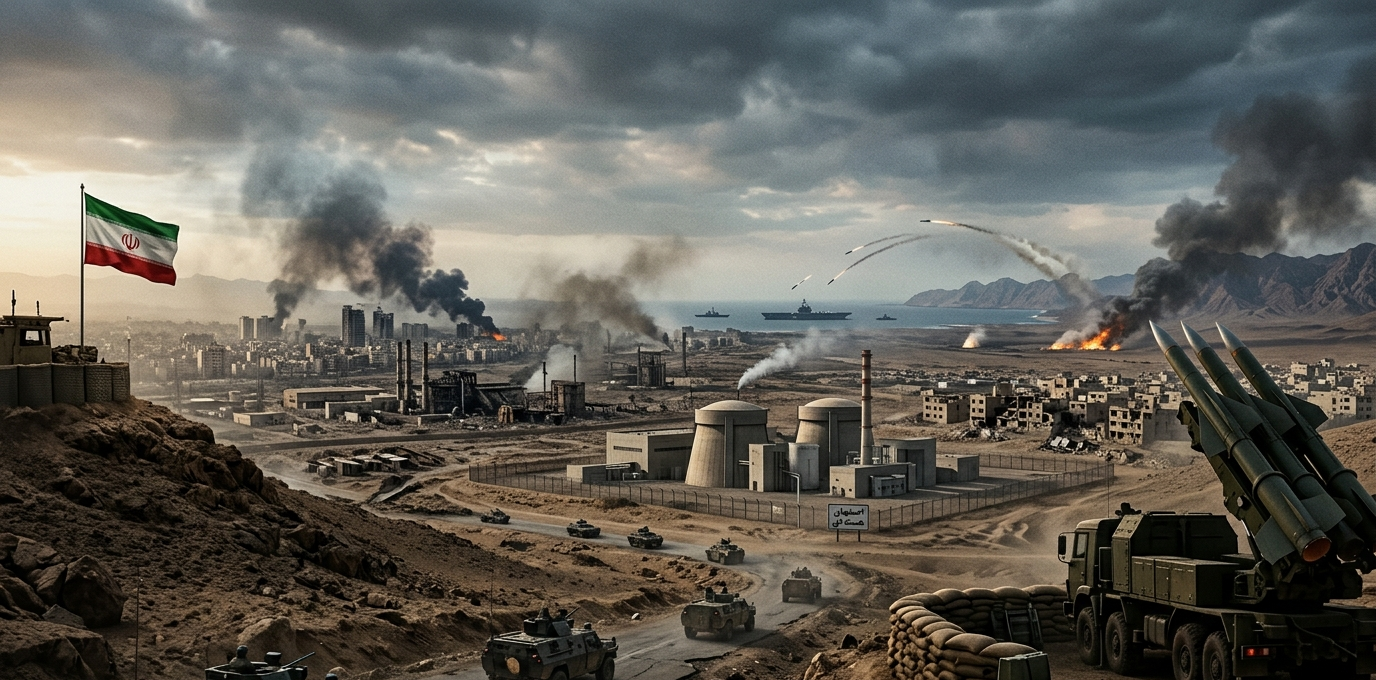
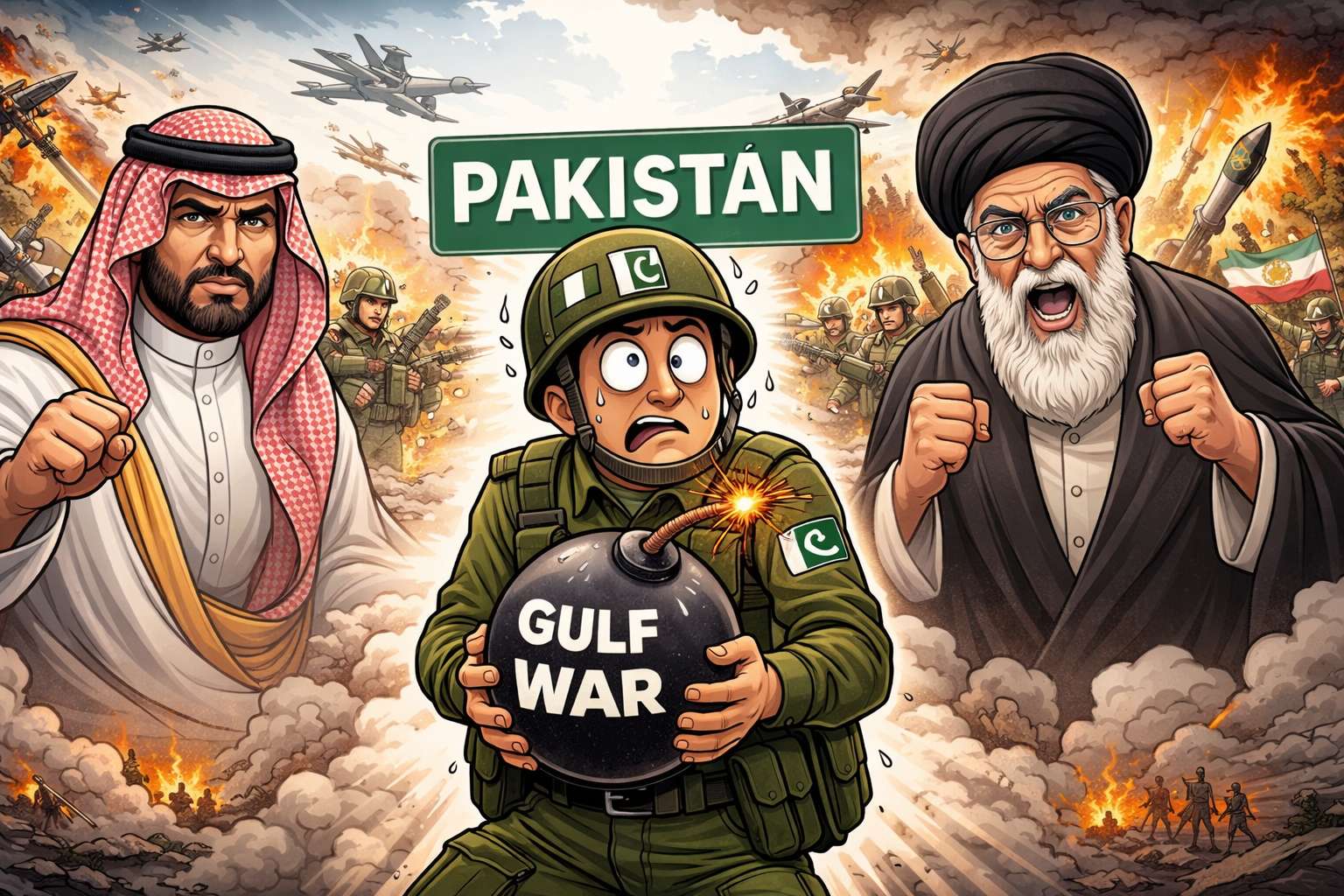
Pakistan historically has quelled Palestinian rioters in Jordan at the request of the Jordanian King in 1970. The Pakistani Air Force was mobilised during the anti-Houthi campaign in Yemen as well. The Muslim NATO, in that sense, has always been around for decades in various power geometries, with the Pakistani Armed Forces acting as the ballast behind tall claims, whether it is the post reconstruction Gaza force or the security agreement with Saudi Arabia, Qatar and Turkey that would potentially lead to a Muslim NATO. The Gulf Cooperation Council was meant to be the original security umbrella, founded in 1980 as a response to the Islamic Revolution in Iran a year earlier in 1979. The GCC is hardly holding up well in 2026 with the barrage of Shahed Drones and Missiles targeted at the cities of Dubai, Manama, Kuwait City, and Doha.
Will Pakistan Join the Campaign?
For decades, the Pakistani military has served as the “silent guardian” of the Gulf. From supporting Arab countries against Israel in Arab-Israeli wars to helping Arab rehbars in their internal conflicts and most important being the protector of holy mosques. However, most
significant development came on September 17, 2025, Pakistan and Saudi Arabia signed the Strategic Mutual Defence Agreement (SMDA). This landmark pact, echoing NATO’s Article 5, formally declared that “any aggression against one country shall be considered an aggression against both.” For Riyadh, the SMDA was intended as a “nuclear umbrella” and a guarantee of Pakistani “boots-on-the-ground” to deter regional rivals.
With the Israelis attacking Doha and waning off US protection umbrella over West Asia, SDMA became the necessary thing. However, in March 2026, Pakistan’s historical guardianship is facing its most grueling test: a direct, kinetic confrontation involving Iran.
Since late February, Saudi Arabia has endured a relentless barrage of drone and missile strikes, with critical escalations including:
- Strategic Energy Hits: On March 2, the Ras Tanura refinery -the world’s largest offshore oil loading facility was struck by drone shrapnel, causing a temporary shutdown.
- Military Escalation: On March 1 and March 14, massive barrages targeted the Prince Sultan Air Base; while most were intercepted, the strikes resulted in fatalities and damage to the base.
- Civilian Impact: On March 8, a drone strike on a residential area in Al-Kharj killed two foreign nationals, drawing international condemnation.
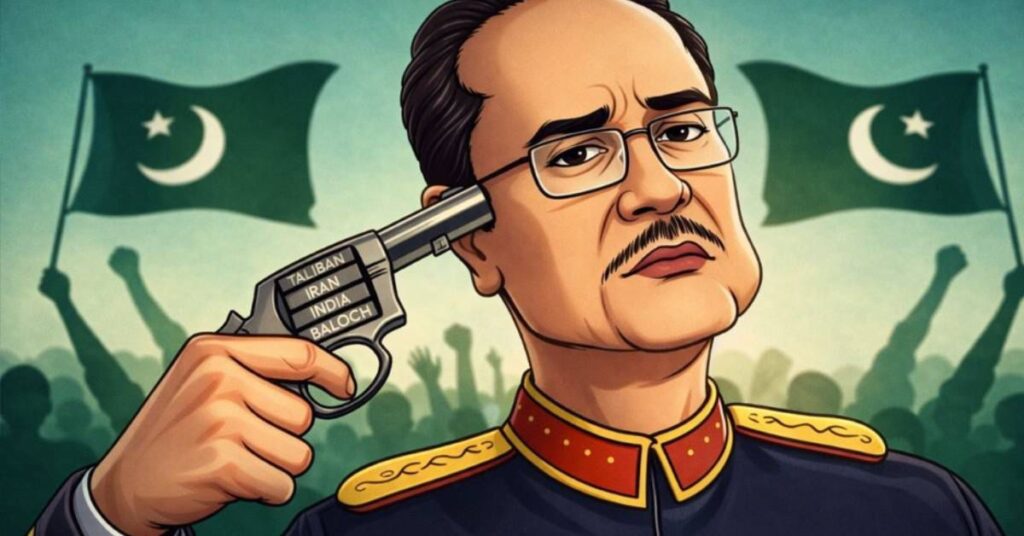
Despite these clear violations of Saudi sovereignty, Pakistan’s response has been defined by “Solidarity without Participation.” Islamabad has effectively utilized its own domestic crises as a strategic alibi. In February 2026, Pakistan launched Operation Ghazab Lil Haq, an “open war” against the Taliban along the Afghan border. By committing its primary strike elements and resources to the Durand Line to counter TTP and Taliban, Islamabad has crafted decoy.
Islambad has talked to Tehran to not to attack Saudi Arabia which Iran hasn’t put heed to.
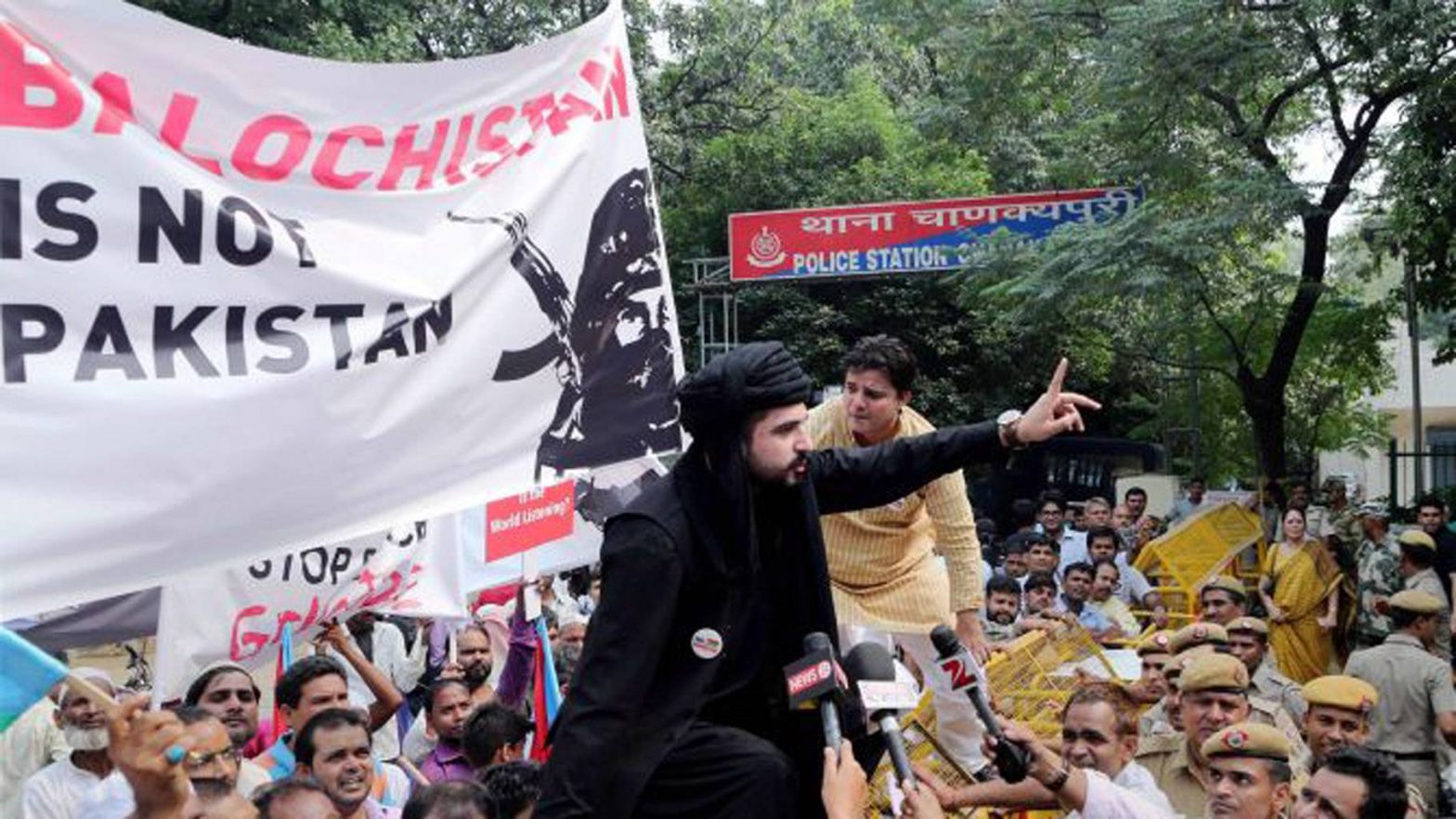
Not just Taliban, but Pakistan has been dealing with internal anarchies like TTP and the Baloch movement. And providing access or air space to US in Balochistan can be both lethal and
suicidal for Pakistan as it would rattle Iran on one side and Baloch living across Iran in Sistan- Baluchestan and in Pakistan on the other. Balochistan Journalist Bahot Baloch with expertise on armed insurgency in Balochistan states, “There has not been any movement of Pakistani forces near the Iranian border. However, there is always heavy military presence. Advanced weaponry including artillery and drones deployed at military camps near the Iranian border and these camps are strategically positioned at a distance of 2 to 3 kilometers from one another. Along with putting up fencing on the border, modern cameras have also been put up and thousands of Pakistani military soldiers (FC, ARMY) are standing guard”.
Asim Munir in its latest Eid-ul-Fitr address stated “God has chosen the Saudis to be the custodians of the Two Holy Mosques, and Pakistan to be the protector of the Two Holy Mosques”. Pakistan has carefully crafted its way out being the protector of holy mosques which it has been for decades and played the religious card but didn’t said anything on Saudi Arabia’s defence as a whole as per its obligation in SDMA. Even though countries like Turkey, Egypt,
Saudi Arabia and Pakistan are talking about forming a Sunni NATO.
Veteran Pakistani Journalist FM Shakil says, “I believe the oil-rich Arab monarchies are developing a joint strategy to confront Iran, and Pakistan may be a part of that strategy. However, it appears unlikely that Islamabad will intervene in the conflict, partly because it is already at war with Afghanistan and partly because it understands the disastrous consequences of opposing Iran. Also, Khurram Dastagir, the PML(N) senior leader have unequivocally stated that the security pact with Riyadh does not require involvement in West Asia rivalries”.
On one hand statment from Al-Azhar condemned Iran’s “unjustified attacks” and talked about muslim brotherhood, while on the other Field Marshal Munir is not able to pressure Iran has warned the Shia Clerics at Iftar gathering that violence in Pakistan, on the basis of incidents occurring in another country, will not be tolerated and If you love Iran so much, then go to Iran.
Pakistan has transitioned from a regional “enforcer” to a “reluctant partner.” Just as it used a Parliamentary resolution to stay out of Yemen in 2015, it is now using the Afghan theater to avoid a direct collision with Tehran. For the Gulf monarchies, the lesson of 2026 is becoming clear: Pakistan’s military is a formidable shield, but it remains firmly planted on its own soil when the test involves its neighbor to the west.
Written Jointly by Mark Kinra & Manishankar Prasad.