

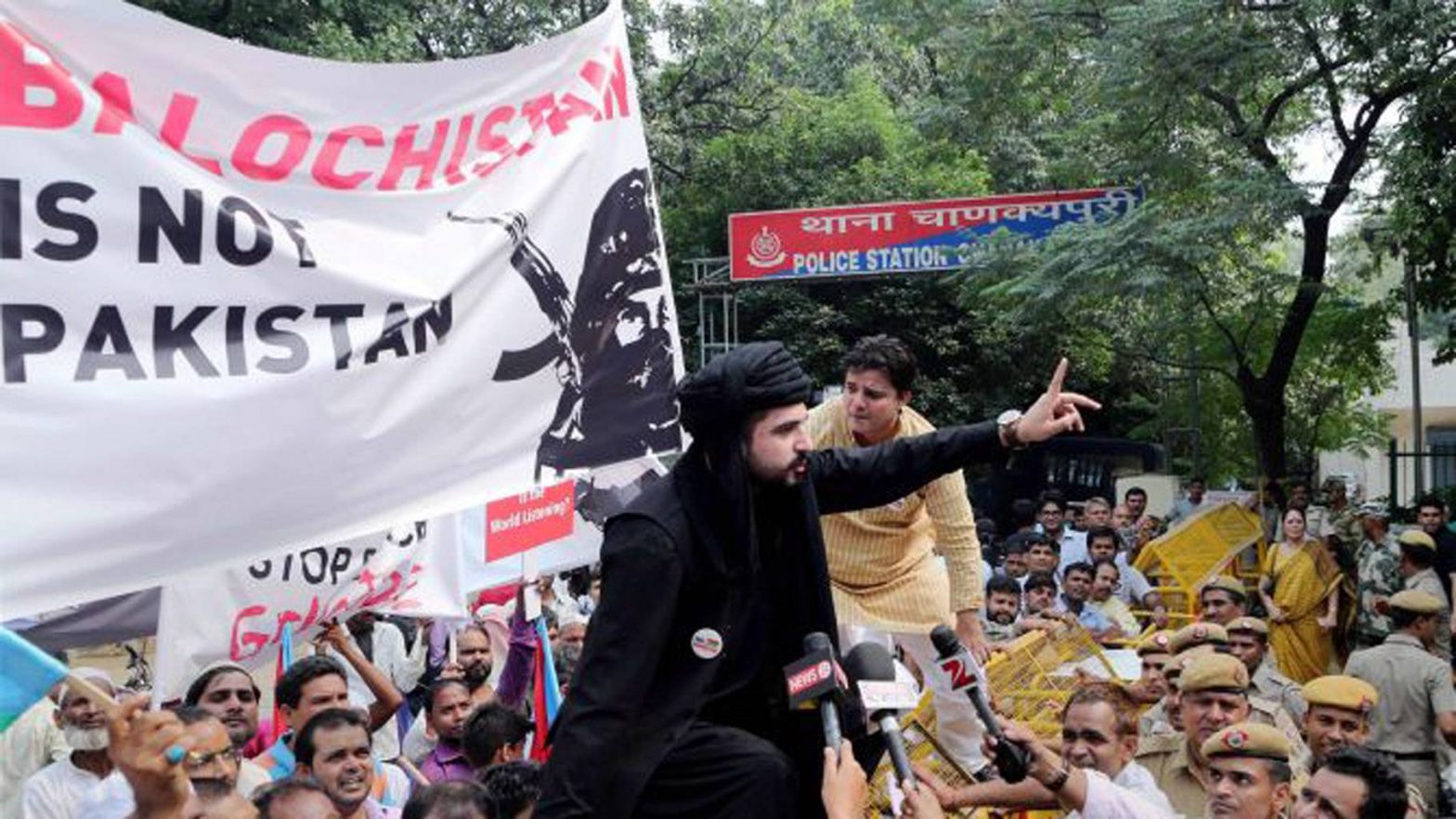




27th March is the day when Baloch nationalists mark this date as Balochistan Occupation Day when their newly declared state was colonised by Pakistan. What makes this episode historically striking is not only the use of force, but the fact that Balochistan had already been recognised as independent by Pakistan and United Kingdom, and they were ones who usurped it.
On 11 August 1947, Balochistan declared sovereignty before India and Pakistan fully emerged as modern states. That status was acknowledged through negotiations involving Pakistan and the United Kingdom. Yet within nine months, those commitments unraveled, and Balochistan was incorporated into Pakistan. For many Baloch, this was not accession but re-colonisation.
Looking at the events of the world today, it looks like United States has consistently failed to recognise a geopolitical opportunity which could have brought stability in the region.
When the United States assumed leadership of the western world from the United Kingdom, it inherited not only influence but also the liabilities and responsibilities of a British-led order. Among these was its enduring strategic commitment to Israel a factor that continues to shape American decision-making across the West Asia. Yet, while some legacies have remained central to US policy, others like the unresolved status of Balochistan have been largely ignored.
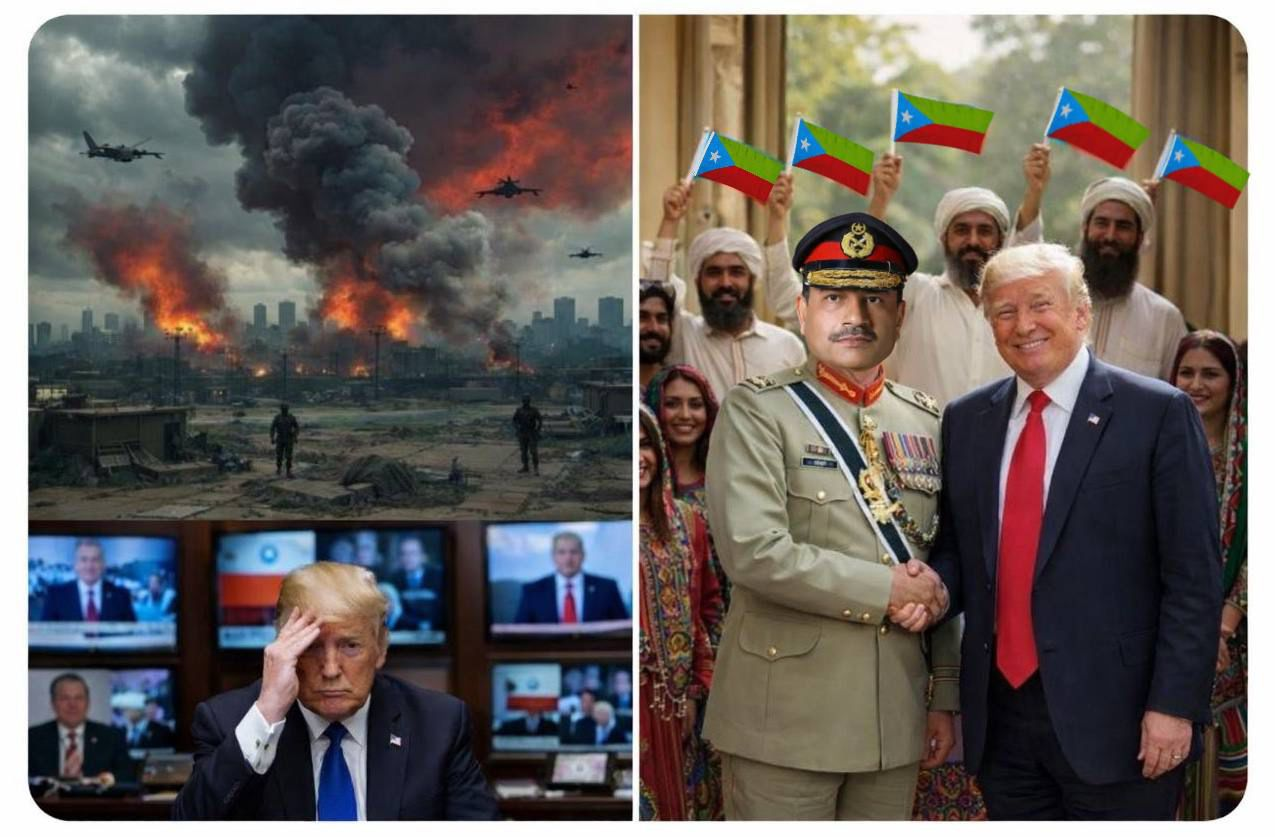
Washington has never hesitated to work with non-state actors when it aligns with its strategic interests. The Kurdish example stands as clear precedent. Yet when it comes to the Baloch who are spread across Balochistan, including parts of Iran the same logic appears absent. This is not due to lack of engagement from the Baloch side; movements have repeatedly sought international attention and even signaled openness to alliances. Still, the response from Washington has largely been silence.
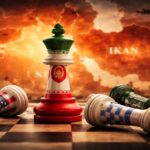
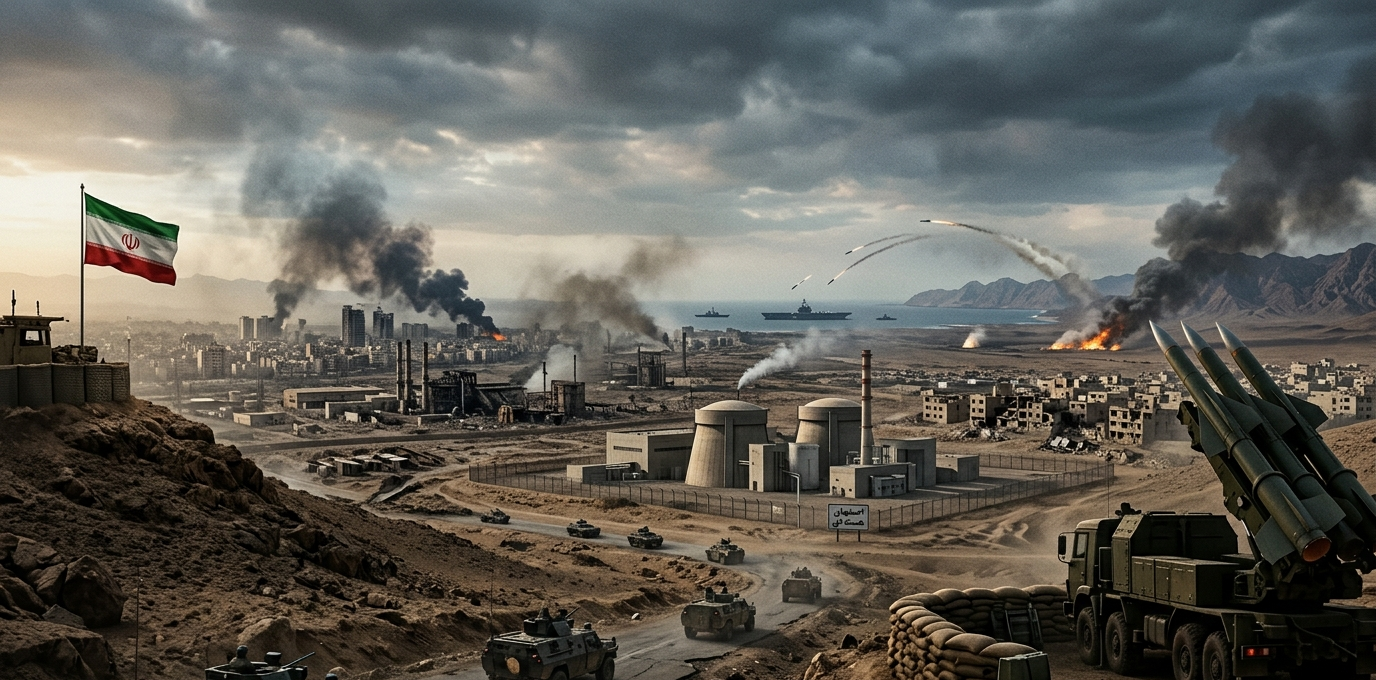
Instead, the United States has doubled down on a far more costly and uncertain path: direct and sustained confrontation with Iran. For decades, this strategy has revolved around sanctions, pressure, and periodic escalation which has now resulted in war. The results have been familiar; immense financial costs, instability in global energy markets, strengthening of hardline elements within Iran, particularly the Islamic Revolutionary Guard Corps and the world looking at a global recession.
“The Baloch people are also a significant stakeholder in this region. While their ongoing struggle for independence from Pakistan is intensifying, the Baloch were not taken into confidence in the recent regional developments. With growing organization and momentum of Baloch pro-independence organisations it may become necessary to engage them in any meaningful progress or decision-making in the region.” – Baloch Journalist Bahot Baloch
This raises a fundamental question: why pursue the most difficult path while ignoring a potentially easier one?
If the objective is to promote stability, counter hostile regimes, and expand democratic influence, Balochistan offers a far lower-cost alternative. Unlike Iran, it presents a combination of strategic location, internal resistance, and resource wealth that could have been leveraged without large-scale conflict. Influencing outcomes from Pakistan would not have required invasion or regime change, but rather sustained diplomatic pressure, limited economic investment, and political backing.
Recently, Director of National Intelligence Tulsi Gabbard raised concerns about Pakistan’s missile capabilities potentially posing a future threat to the United States. Further, Pakistan today is a nuclear-armed state facing rising internal militancy, with a history of nuclear proliferation concerns. At the same time, elements within its political and military establishment have consistently taken strong positions against Israel, underscoring a divergence from US strategic priorities.
Balochistan remains a persistent challenge for Pakistan – economically, politically, and militarily. The region demands high security expenditure while delivering limited integration, leading some to view it as more of a liability than an asset. History also demonstrates Pakistan’s willingness to make strategic territorial adjustments, as seen in its transfer of the Shaksgam Valley to China, a part of Kashmir; for which Pakistan has fought 3 wars and unlimited proxy wars with India and still continuing. In that context, it is not inconceivable that, under sufficient diplomatic pressure, Pakistan could reconsider its position on Balochistan. As a long-standing US ally, it may be more responsive to such pressure than commonly assumed even if it involves difficult concessions.
The contrast with US policy toward Iran is stark. America, which presents itself as the global champion of democracy and freedom, has invested trillions in confronting one of the most complex and entrenched regimes in the region. The result has been economic disruption, heightened geopolitical risk, and the empowerment of hardline forces. Meanwhile, a potentially lower-cost, lower-risk opportunity in Balochistan where democratic transformation might have been pursued with limited violence has gone largely unexplored.
The emergence of an independent Balochistan would fundamentally redraw the geopolitical map of South Asia. Bordering Iran and Pakistan, such a state would face immediate pressures, yet its survival would not depend on conventional military strength. Instead, it would hinge on the intelligent use of asymmetric soft power leveraging economic centrality, cultural influence, and diplomatic balance.
Its geography alone could transform it into a critical transit hub, reshaping regional trade flows and creating economic interdependence that neighboring states could not easily ignore. Its natural resources could attract global investment, embedding international stakeholders into its stability. Its shared cultural and ethnic ties across borders could generate influence that extends beyond formal boundaries. And through careful diplomatic alignment, it could position itself as a connector rather than a competitor in a volatile region. In such a scenario, influence would replace confrontation. Power would not be projected through force, but through indispensability.
The “subdual” of a larger power like Iran would not come through war. If Balochistan were to emerge as an economic and cultural center of gravity, even larger neighbors would eventually find cooperation more practical than resistance.
This is the strategic possibility that has been consistently overlooked.
Balochistan is not merely a regional dispute or historical grievance. It is a test of strategic imagination. For decades, the United States has chosen the most expensive and complex path in dealing with Iran while ignoring a simpler, potentially more sustainable alternative. History may ultimately judge this not as caution, but as failure because sometimes the greatest strategic mistake is not the war you fight, but the opportunity you never even consider.