




There are few peoples in the modern world whose story is as paradoxical as the Kurds. They are ancient, numerous, and influential, yet stateless. They live in some of the most strategically vital terrain of the Middle East, yet remain divided among four powerful states that rarely agree on anything, except in denying Kurdish independence and Kurdistan.
This tension between identity and geography is not new. The Kurds have carried it for centuries. What makes it especially relevant now is the way Kurdish politics intersects with today’s conflicts in Iraq, Syria, Turkey, and Iran. To put it differently: the “Kurdish Question” is no longer just a local problem, it is a regional constant.
In a wide-ranging conversation with Manish Rai, an Australian journalist of Indian origin and seasoned geopolitical observer, I dug into the details. Rai, who has written extensively for International Policy Digest and other outlets, was candid in drawing parallels between the Kurdish national struggle and another long-simmering one: the Baloch.
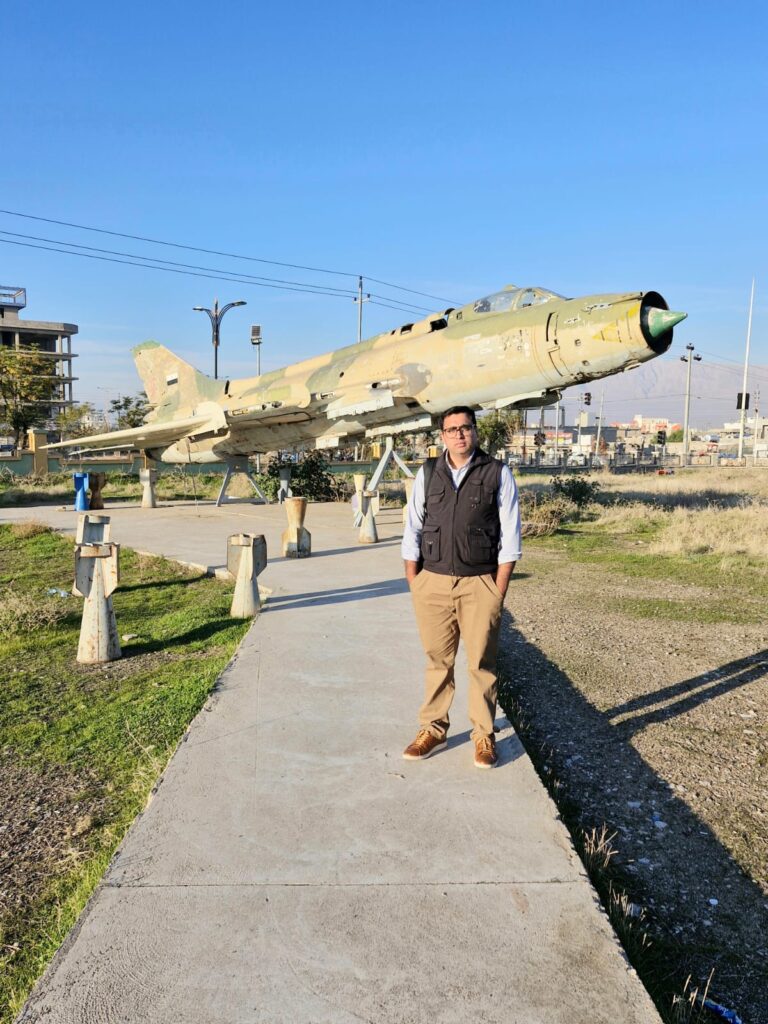
An Old People in a Fragmented Homeland
Who are the Kurds, really? Rai described them as the “fourth-largest ethnic group of the Middle East,” behind Arabs, Persians, and Turks. Their numbers are debated, between 35 and 40 million, but what is not in dispute is their cultural endurance. The Kurdish language, with its main dialects Kurmanji and Sorani, binds them together, even as borders slice through their lands.
Their history stretches far back, 5,000 years, if not more. It includes names known beyond the region. Saladin Ayyubi, for example, the Muslim general who retook Jerusalem in 1187, is often remembered as an Islamic figure, but he was in fact Kurdish.
And yet, despite this heritage, the Kurds never secured a state. Instead, the idea of a Greater Kurdistan exists largely in imagination. Four pieces (Bakur, Rojava, Rojilat, and Bashur) across four countries, sometimes cooperating, often struggling on their own.
Turkey’s Kurds: The Rise and Pause of the PKK
In Turkey, Kurds make up as much as a quarter of the population. They live mostly in the southeast, in and around Diyarbakir, a city often called their cultural capital.
The Turkish state, especially under the old Kemalist order, suppressed Kurdish identity, banning the language in schools, portraying Kurds as “mountain Turks.” Resistance was almost inevitable. In 1978, Abdullah Öcalan founded the PKK (Kurdistan Workers’ Party), blending Marxist ideology with Kurdish nationalism. Six years later, the PKK launched an insurgency that dragged on for decades. Tens of thousands died, villages were emptied, and Turkey itself was reshaped by the conflict.
Now, a curious pause. The PKK has announced disarmament, largely in deference to Öcalan’s instructions from prison. Some see this as the closing of a bloody chapter. Rai, however, was skeptical. “The Kurdish cause in Turkey isn’t over,” he noted. “It depends entirely on how Ankara reacts. If there’s no political accommodation, another insurgency will rise. History tells us this much.”
Iraq’s Kurds: A State in All but Name
If Turkey’s Kurds fought and bled, Iraq’s Kurds carved out a near-state. Since the 1990s, the Kurdistan Regional Government (KRG) has run northern Iraq with its own institutions: army, intelligence, flag, and visa requirements. It feels, when you cross into it, like a different country.
The KRG is dominated by two parties: the KDP (Kurdistan Democratic Party) of the Barzani family and the PUK (Patriotic Union of Kurdistan) of the late Jalal Talabani. Both fought Saddam Hussein’s Ba’athist regime. Both still wield immense influence today.
Travelers who go to Erbil, the KRG’s capital, often remark how distinct it feels from Baghdad. Rai himself described it as a country in practice if not in paperwork. But the independence referendum of 2017, which saw 92% vote “Yes,” was a cold reminder of limits. Baghdad, backed by neighbors and the international community, rejected it. The world still isn’t ready for a sovereign Kurdistan.
Syria’s Rojava: Revolution in the Rubble
The Syrian Civil War changed the Kurdish equation. Out of the chaos, Kurds in northern Syria built a self-governing region called Rojava. Its administration, known formally as the Autonomous Administration of North and East Syria (AANES), controls nearly a third of Syrian land.
Rojava is famous for two reasons: its decisive fight against ISIS, and its bold experiment in governance. Inspired by Öcalan’s ideas, it promotes democratic confederalism, a model that stresses local councils, secularism, and gender equality. The images of women fighters in the YPJ, battling ISIS on the frontlines, became iconic worldwide.
And yet, it is fragile. Turkey sees the YPG/YPJ as PKK affiliates and has invaded Rojava repeatedly. The Assad regime, meanwhile, insists the region must eventually return to central control. Rojava stands, but on shifting ground.
Iran’s Kurds: The Silent Struggle
In Iran, Kurds number perhaps 8–10% of the population. Unlike Iraq or Syria, there is no autonomous zone here, no tolerated space for separate politics.
Two groups dominate: the PJAK (Free Life Party of Kurdistan), which mirrors the PKK’s ideology, and the KDPI (Kurdistan Democratic Party of Iran). Both have waged low-intensity armed resistance against Tehran. But the Iranian state, ruthless in suppressing dissent, keeps their struggle largely invisible.
While Iraqi Kurds hold parliaments and Syrian Kurds issue visas, Iranian Kurds fight in the shadows, with little recognition abroad.
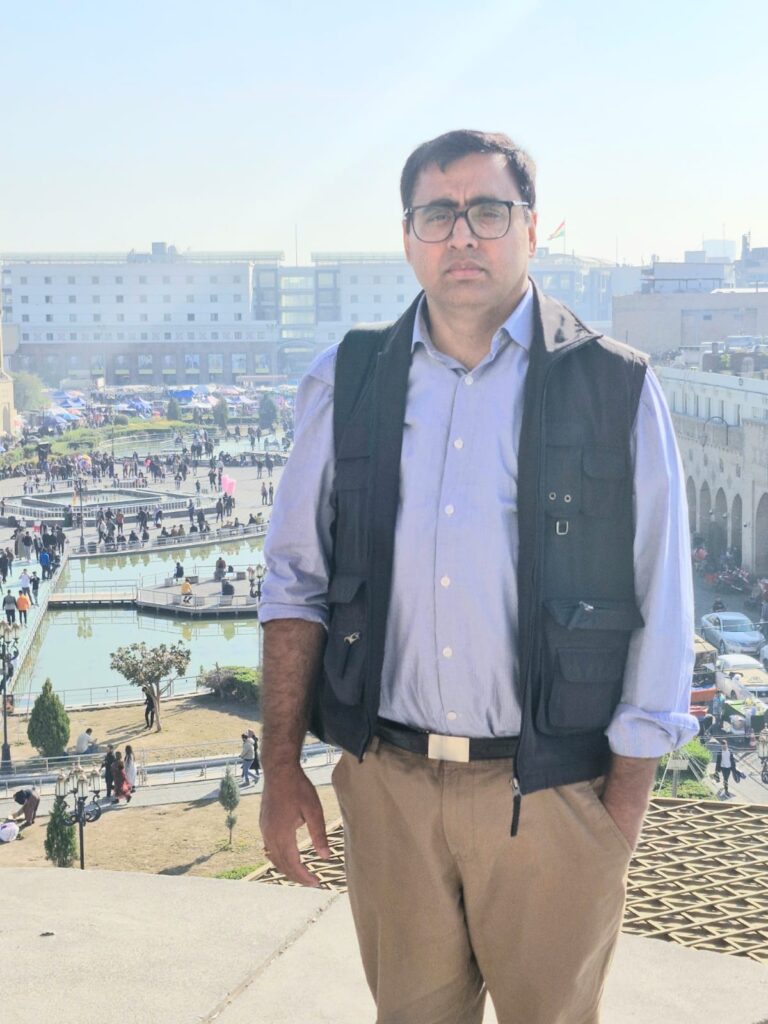
The Baloch Parallel
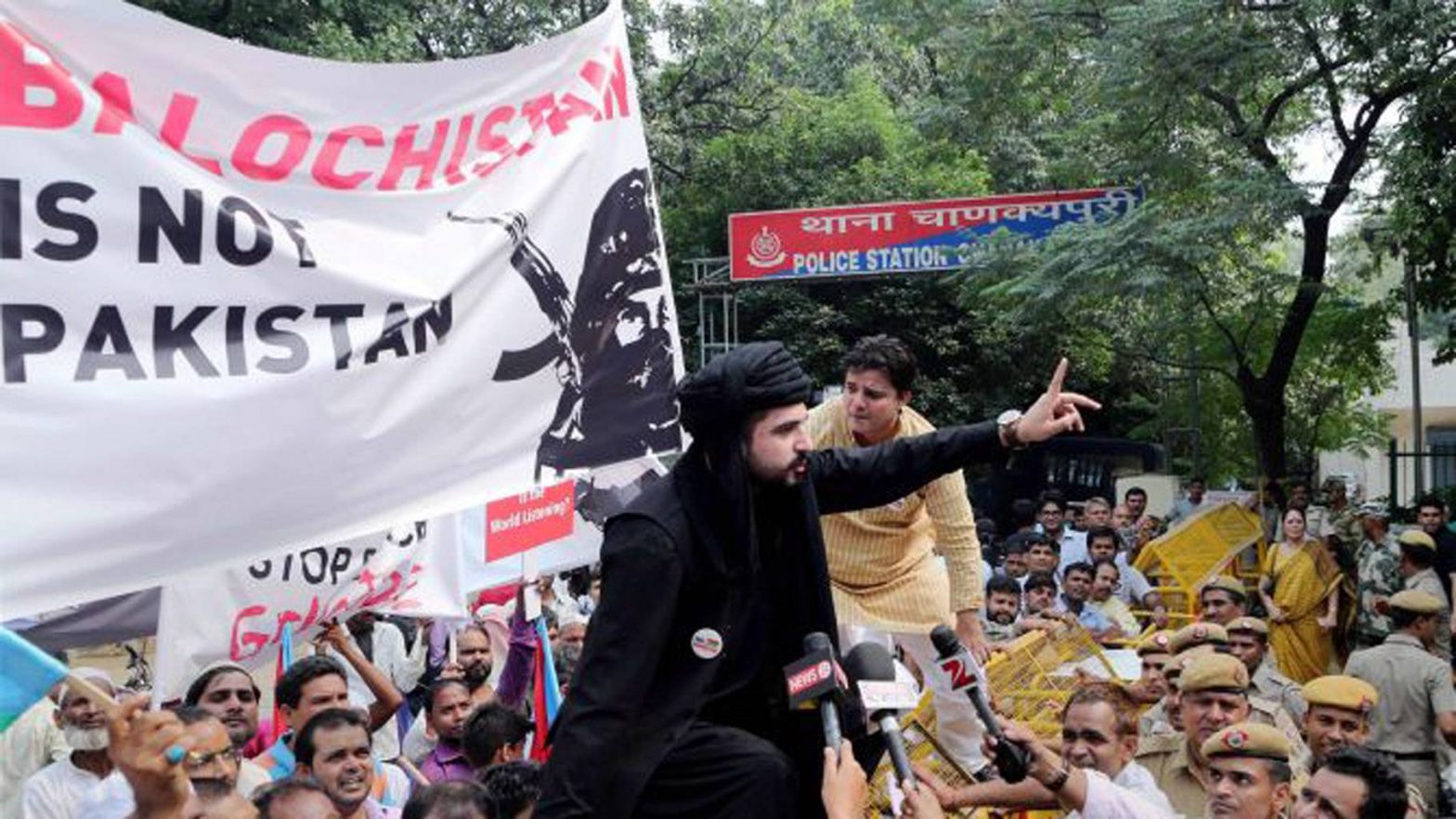
Here, Rai drew an important comparison with the Baloch, an ethnic group straddling Pakistan, Iran, and Afghanistan. Like the Kurds, the Baloch have a strong sense of identity, their own language, and a nationalist movement demanding self-rule.
The similarities are tempting: both are secular, both are ethnic rather than religious struggles, both accuse their central governments of exploitation. Yet, the differences are profound.
- Centralization: The Kurds in Turkey revolved around the PKK and Öcalan. The Baloch insurgency, especially in Pakistan, is fragmented among numerous groups, the BLA, BLF, BRAS, UBG, BLT, and more. No single leader unifies them.
- Effect of Surrenders: In Turkey, Öcalan’s word carried weight; his call for disarmament changed the PKK’s course. In Balochistan, even when prominent figures like Gulzar Imam surrendered, the insurgency continued undisturbed.
- Global Spotlight: The Kurds gained visibility fighting ISIS. The Baloch, by contrast, remain obscure, even though their homeland contains Gwadar Port, the crown jewel of China’s CPEC project.
Rai summed it up sharply: “In ideology, Kurds and Baloch are cousins. But operationally, structurally, they’re worlds apart.”
Why This Matters
Why should the world care about two peoples without states? The answer is simple: because their struggles sit at the crossroads of global geopolitics.
- For Turkey, Syria, Iraq, and Iran, Kurdish nationalism threatens territorial integrity.
- For Pakistan and China, Baloch insurgency jeopardizes billions of dollars in CPEC investments.
- For the international community, both movements offer secular, nationalist alternatives in regions otherwise dominated by Islamist groups. But support is risky; backing separatists means alienating states whose cooperation is often needed.
An Unfinished Question
The Kurdish struggle is older than most of the states that now divide their land. The Baloch struggle, though younger in form, is no less determined. Both reveal the limits of force. Armies can occupy villages, leaders can be jailed or killed, but identity, the deep pull of belonging, survives.
As Rai warned, Turkey cannot assume disarmament means closure. Nor can Pakistan believe a few surrenders end the Baloch insurgency. Nationalism, once awakened, rarely disappears.
The lesson? Unless political solutions are found, real autonomy, cultural recognition, perhaps even federalism – these struggles will endure. The map of the Middle East and South Asia may look fixed, but beneath it, restless nations still wait for their day.