











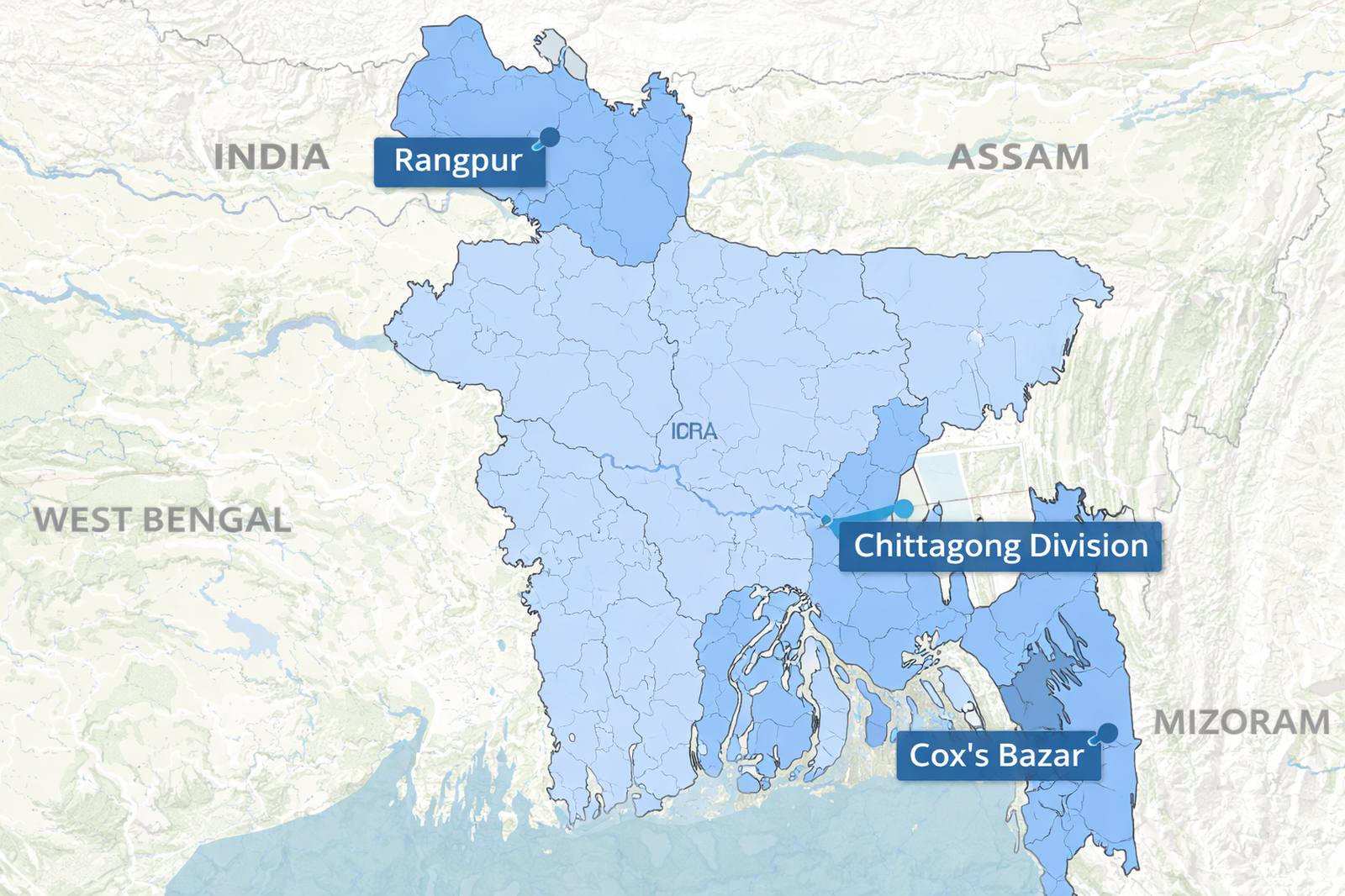
From an intelligence and policy perspective, the current trajectory of relations with Bangladesh requires a sober reassessment. This is not a moment for emotive diplomacy or reassurance driven by habit. It is a moment that demands clarity of interest and discipline of response. When hostility becomes structured, preformative, and politically useful on the other side, engagement ceases to stabilise. It becomes a vulnerability.
Why Engagement No Longer Works
For more than a decade, India invested in deep engagement with Bangladesh. Borders remained open during political stress. Indian hospitals absorbed cross border medical demand. Transit facilities expanded. Development assistance continued across political cycles. The assumption was that proximity and material interdependence would moderate behaviour and anchor goodwill.
That assumption no longer holds. When antagonism toward India becomes a mobilising narrative domestically and a signalling device externally, engagement stops producing stability. Instead, it provides leverage to actors who benefit from portraying India as both indispensable and adversarial. From a policy standpoint, this is the point where diminishing returns turn negative.
Containment as a Defensive Strategy
Containment should not be confused with punishment. It is a boundary management tool. India should close land borders, suspend consular operations, withdraw discretionary aid, deny the use of airspace, and halt institutional cooperation including medical and transit access. These steps should be legal, comprehensive, and quiet.
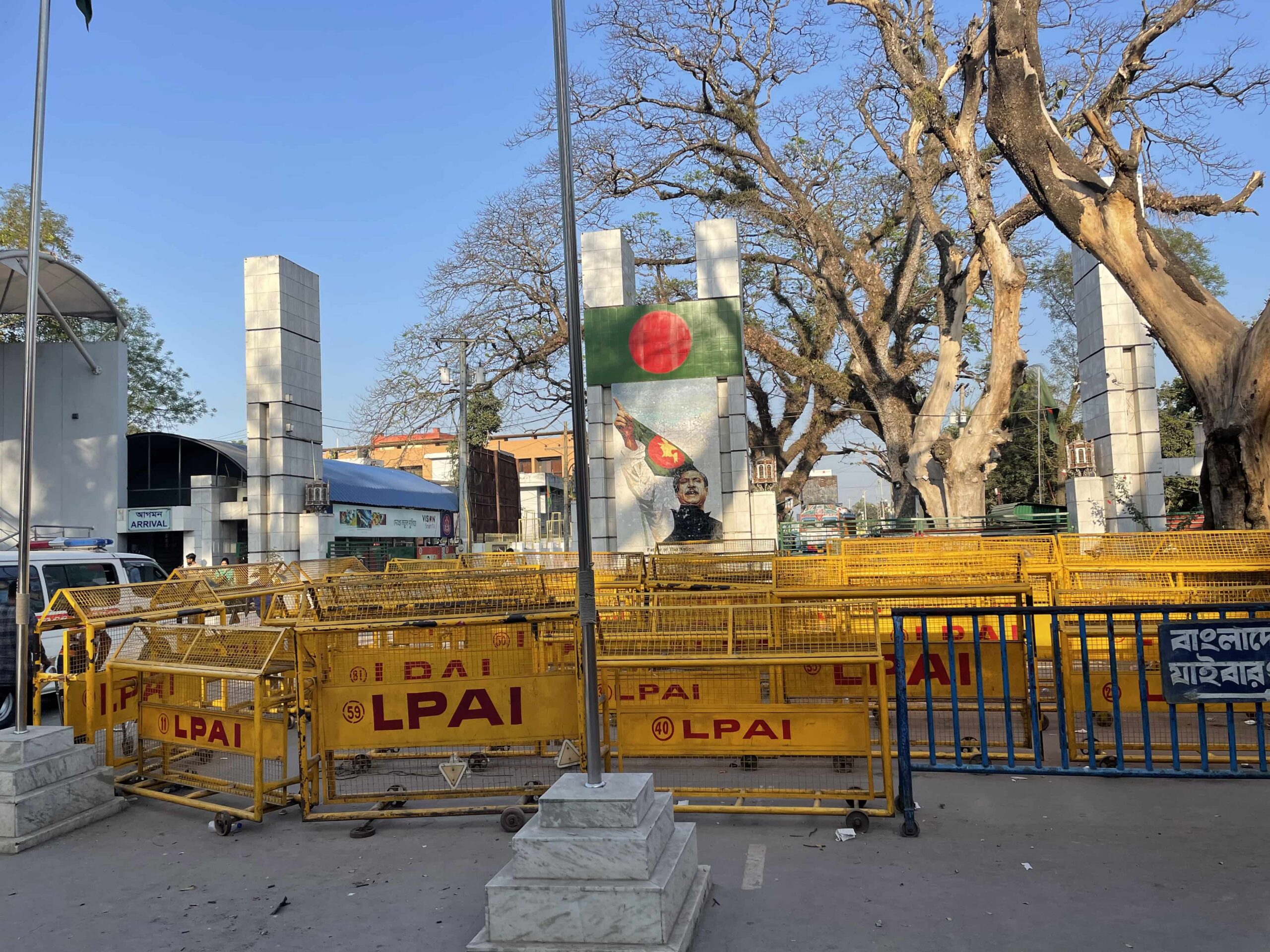
Such measures do not target ordinary citizens. They re-calibrate state level dependencies that have been normalised without reciprocal restraint. Sovereign access to logistics, healthcare capacity, and airspace is not an entitlement. It is extended in good faith. When that good faith erodes, maintaining access undermines strategic coherence.
Sovereignty Has Material Consequences
A state that invokes sovereignty rhetorically must also bear sovereignty’s material costs. Redirected trade routes, alternative medical arrangements, longer transit corridors, and higher logistical expenses are not acts of hostility by India. They are the natural outcomes of reduced cooperation.
Shielding another state from these consequences while absorbing the burden oneself is not diplomacy. It is imbalance. Containment restores symmetry between rhetoric and reality.
The Value of Silence and Formality
India should avoid public confrontation with Bangladesh. Intelligence experience shows that hostile narratives thrive on reaction. Outrage, rebuttals, and preformative signalling feed escalation cycles. A restrained posture deprives such narratives of oxygen.
Diplomatic channels should remain open but minimal. Correct language, routine protocol, and reduced interaction communicate firmness without drama. Containment works precisely because it is procedural and dull.
Airspace, Aid, and Access as Leverage
Airspace usage, aid flows, and emergency access are instruments of state power, not technical footnotes. Suspending them reframes the relationship with Bangladesh from emotional grievance to concrete cost. Narratives are easy to sustain when consequences are abstract. They weaken when logistics and supply chains feel the strain. This is not coercion. It is incentive realignment.
India’s Strategic Priority
India’s primary responsibility is internal stability, border security, and regional risk containment. It is not narrative management in neighbouring capitals, nor indefinite underwriting of political dysfunction elsewhere. A controlled withdrawal preserves leverage better than reactive engagement and signals that hostility and access cannot coexist indefinitely.
Step Back Without Slamming the Door
This approach does not require belligerence. India should remain publicly courteous and diplomatically correct. It should avoid moral lectures and visible anger. It should express routine goodwill while quietly locking the gates that matter.
Containment is not abandonment. It is strategic patience with clear boundaries. At this stage, engagement creates more risk than stability. Containment, executed calmly and consistently, is the prudent course.