




As we watch the flames of revolution lick the skies of Tehran, Isfahan, and Mashhad, I am transported back to the dark days of 1990 in Kashmir, when the black wave of Islamist terror first crashed upon us, forcing women into veils and families into graves. Today, February 1, 2026, marks No Hijab Day for me, but in Iran, it is the dawn of something far greater: a nationwide uprising against the mullahs’ tyranny that has gripped the nation since December 2025.
What began as bazaar strikes over a collapsing rial, now trading at a staggering 1.34 million to the dollar, has exploded into a full-throated roar for regime change. Over 30,000 dead, tens of thousands arrested, internet blackouts blanketing the land like the chadors they force on women. The Islamic Republic, that grotesque experiment born on the corpse of ancient Persia in 1979, is cracking under the weight of its own repression.
As an Indian woman from Kashmiri Muslim heritage who has chronicled this poison since my 2015 pieces in The Nation Pakistan, I dissent with every fibre: this is not just Iran’s fight. It is a geopolitical earthquake that could reshape the subcontinent, threatening India’s energy lifelines, stoking terrorist fires in our backyard, and igniting internal fissures among our own communities.
The Anatomy of Iran’s Uprising
Let us dissect the chaos unfolding in Iran with the cold eye of geopolitics, unclouded by the leftist apologia that has shielded these regimes for decades. The protests erupted amid hyperinflation, water shortages, and food prices that have turned staples like meat and dairy into luxuries. But this is no mere economic spasm. It is the culmination of 47 years of clerical rule, where Supreme Leader Ali Khamenei’s fatwas have sanctified corruption, gender apartheid, and proxy wars.
The regime’s response has been brutality on steroids. Security forces gunning down protesters in Lordegan and Azna, torching vehicles in Torbat-e Jam, and imposing total digital isolation to hide the blood. President Masoud Pezeshkian, once a reformist fig leaf, now parrots the hardliners, labelling demonstrators violent terrorists from abroad.
Echoes of Mahsa Amini’s murder in 2022, but amplified. Women are at the forefront again, burning hijabs and chanting “Woman, Life, Freedom” in Kurdish provinces and Tehran squares. This is the Black Wave reversing. The Saudi Iranian rivalry that exported Wahhabism and Khomeinism is now boomeranging back to devour its architects.
The Nuclear and Military Flashpoint
Geopolitically, Iran teeters on the brink of implosion or escalation. The International Atomic Energy Agency’s January 2026 declaration that Tehran is violating non-proliferation obligations, enriching uranium to 90 percent in secret sites like Fordow, has invited the spectre of round two with Israel and the United States.
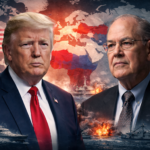
Benjamin Netanyahu vows no resurrection of Iran’s missile or nuclear programs, while Donald Trump, fresh from his Venezuelan triumph, deploys the USS Abraham Lincoln carrier group to the Arabian Sea, tweeting threats of speed and violence if the crackdown continues. Trump’s Mar-a-Lago huddles with Netanyahu signal a potential regime change playbook: targeted strikes on IRGC commanders, nuclear facilities, or even ballistic missiles.
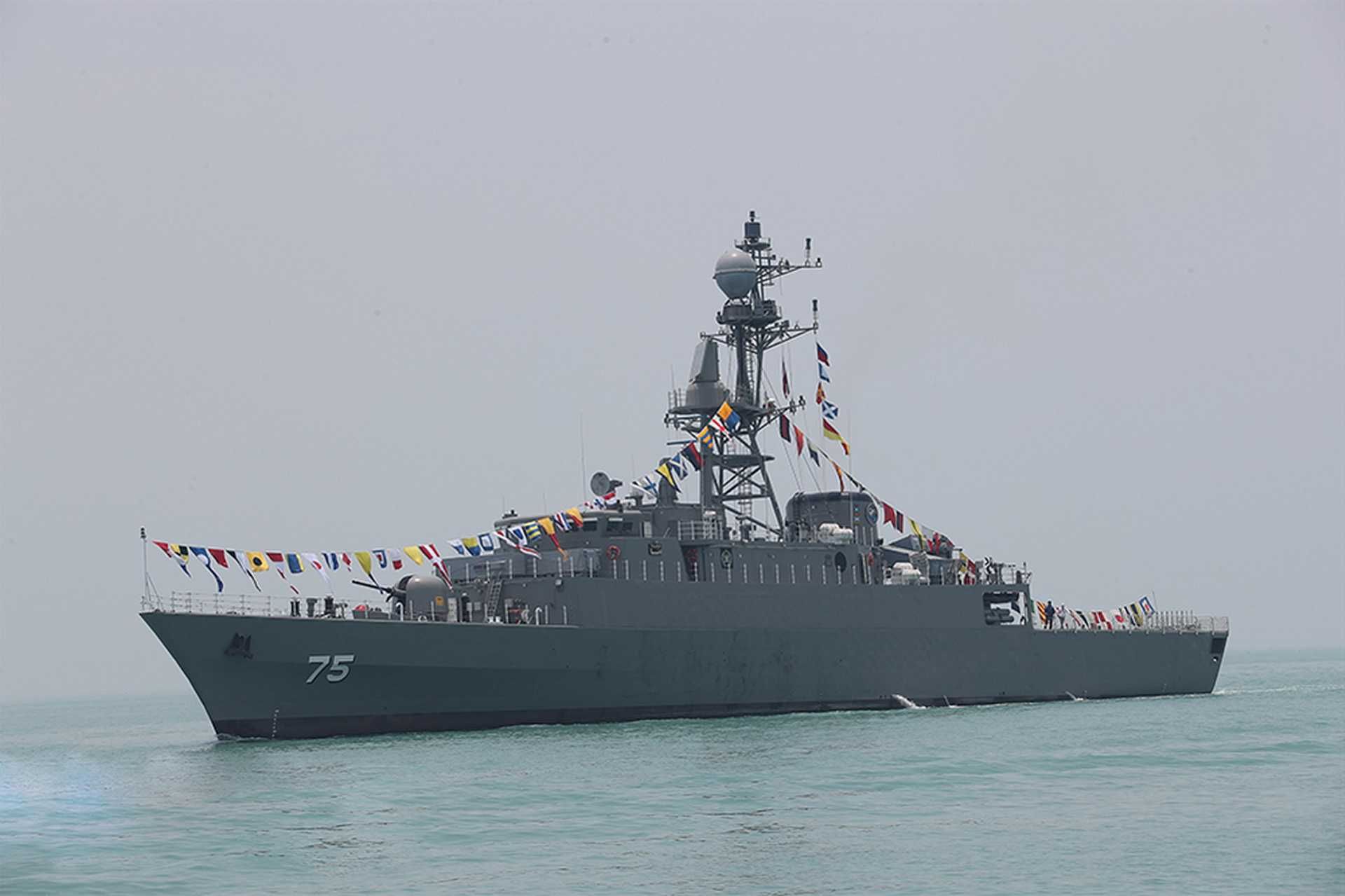
Iran counters with asymmetric bluster. The IRGC Navy parading hundreds of fast attack craft in the Strait of Hormuz, live fire drills set for February 1 to 2, and joint exercises with China and Russia in the northern Indian Ocean. Ali Shamkhani warns of unlimited responses, while Mohsen Rezaei threatens US bases and Israeli annihilation.
This is not idle posturing. Recall 2019, when Iran seized tankers and attacked Saudi oil fields amid Trump’s maximum pressure. A blockade of the Strait could spike oil to 90 dollars a barrel overnight, collapsing global supply chains.
Yet, Trump’s calculus includes non kinetic options: rallying the world to isolate Tehran, expelling diplomats, tightening sanctions, ending internet blackouts, to empower the streets. The EU’s January 29 sanctions on 15 officials and designation of the IRGC as terrorists are a start, but timid.
China and Russia’s airlifts of military gear to Tehran, 16 Y-20 transports in days, underscore the great power divide. Beijing and Moscow prop up the mullahs to counter Western dominance, even as Saudi Arabia and the UAE deny airspace for strikes.
India’s Energy Vulnerability
For India, this Iranian inferno is no distant drama. It casts a long, ominous shadow over our security, economy, and society. As heirs to a syncretic civilisation that has absorbed Persian influences from the Mughals to modern diplomacy, we must heed the repercussions lest they engulf us.
First, energy security hangs by a thread. India imports 85 percent of its oil, with the Gulf supplying over 60 percent. Iran alone provided 10 percent before sanctions bit in 2019. A Hormuz closure or Iranian retaliation against Saudi facilities could send Brent crude soaring past 100 dollars, as Citi analysts warn of a three to four dollar geopolitical premium already baked in.
Our economy, still recovering from COVID era shocks, would face hyperinflation. Petrol prices jumping 20 to 30 percent, crippling transport, agriculture, and manufacturing. Remember 1979’s oil shock after Khomeini’s revolution. It triggered a global recession.
Today, with our Chabahar port investments in Iran, a 500 million dollar stake for Afghan access, any regime collapse or US strikes could render it a white elephant. Worse, Iran’s alliances with China, which is airlifting arms, threaten our Indian Ocean ambitions. Beijing’s growing naval footprint via these drills could choke our sea lanes, forcing Delhi to divert defence budgets from LAC standoffs to maritime patrols.
Terrorism and Regional Spillover
Second, regional instability could supercharge terrorism on our borders. Iran’s Axis of Resistance, Hezbollah, Hamas, Houthis, has been battered since 2025’s Israel Iran war, but a desperate Tehran might lash out via proxies, reigniting Afghanistan’s chaos.
With the Taliban in Kabul, Iranian influence there, via Shia Hazaras and anti Taliban militias, could spill into Pakistan, where Islamabad’s ISI already funnels jihadists into Kashmir. If protests topple the mullahs, a power vacuum might empower Sunni extremists like ISIS K, who thrive on Shia Sunni rifts, echoing the post Saddam Iraq quagmire.
For India, this means heightened threats. More Pulwama style attacks, cross border infiltrations, and radicalisation in the Valley. We’ve seen it before. Kashmir flooded with Wahhabi funds in the 1980s, birthing Hizbul Mujahideen.
A failing Iran could export its IRGC trained operatives to Pakistan’s terror ecosystem, targeting our interests from Mumbai to Srinagar. Conversely, a US backed regime change might stabilise the region, but at the cost of alienating our Russian arms suppliers, who back Tehran.
The Domestic Indian Fault Line
Third, the domestic ripple. Iran’s uprising could polarise India’s 200 million Muslims, inspiring reform or fueling backlash. Our community is diverse. Bohras fighting FGM, ex Muslims in Kerala, Assamese Muslims, Gujaratis, Bengalis, Lakshadweep, Hyderabadis, UP Muslims, as well as Rajasthani Meo Muslims who still display vestiges of Hindu culture, echoes from their ancestral past.
Elite voices from the legacy media ecosystem, like Rana Ayyub or Arfa Khanum Sherwani of The Wire, and some useful left liberal Hindu useful idiots often echo Islamist narratives, defending regimes like Iran’s while enjoying secular freedoms.
If Tehran’s fall exposes the hollowness of political Islam, it might embolden Indian reformers. Think triple talaq abolitionists or anti hijab advocates. Yet, the left Islamist alliance, seen in Rushdie’s selective outrage against Hindutva while ignoring Congress’s 1988 Satanic Verses ban, could weaponise this.
Protests here might morph into anti India agitation, as in Shaheen Bagh, invoking Islam khatre mein hai to resist CAA or UCC. Kashmir’s scars run deep. Any Iranian implosion might revive separatist dreams, with Pakistan amplifying propaganda.
But if women lead Iran’s revolution, as in 2022, it could galvanise our own, Muslim and Hindu alike, against patriarchal relics, strengthening our secular fabric.
The Choice Before India
In this crucible, India must act decisively. Amplify protester voices, diversify oil imports via Saudi UAE ties, bolster border defences, and reject appeasement of domestic radicals.
To the brave Iranians, women unveiling, youth toppling statues, you are the antidote to the Black Wave that drowned my homeland. Your victory is ours. A free Persia would light the path for a reformed Islam, unburdened by mullahs and mandates.
But if the regime endures, the shockwaves will test India’s resolve. We stand at the precipice, unveiled, unbowed, and vigilant.
3 Comments
Weekend Mega Linkfest: 06 February, 2026 - DCG ELITE
February 2, 2026[…] Inferno in Iran (ForPol) […]
Dust, Faith, and Persia’s Broken Horizons - Forpol- Our word Our creed
February 2, 2026[…] […]
The Raw Deal In Iran: Chaos and What It Really Means
February 2, 2026[…] neither the US nor Israel has anything resembling a real theory of victory here. Khamenei and the top clerical layer are gone (cancer or not, timing is convenient). Who’s left standing? The IRGC; hardened, […]