



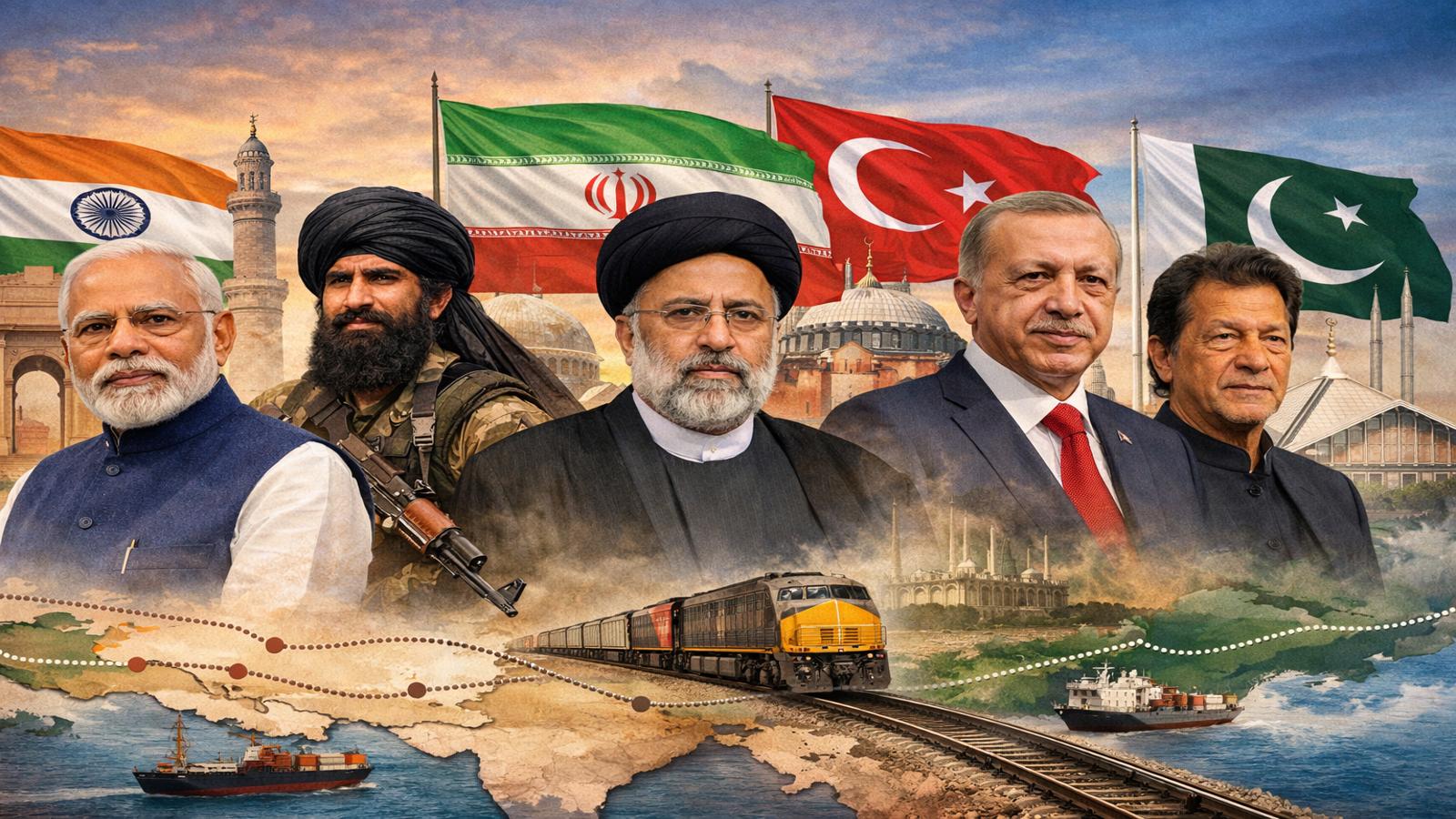
At a moment when West Asia is witnessing sharp geopolitical shifts, Iran’s foreign policy appears anchored in strategic patience, regional pragmatism, and corridor-driven ambition. From sanctions-induced economic constraints to recalibrated regional alignments, Iran is navigating a complex landscape shaped by both opportunity and structural pressure.
In this exclusive conversation with ForPol, Mark speaks with Ali Omidi, Associate Professor of International Relations at the University of Isfahan, on Iran’s perspective regarding India, Afghanistan under Taliban rule, Turkey, and Pakistan.
Mark: How do you see current relations between India-Iran specially on economic and cultural front?
Ali Omidi: Historically and culturally there is positive background for bolstering mutual relation but there is a third state issue, United States’s unilateral sanctions has hindered developing relation between Iran and India. Iranian ambassador to India once stated that the potential of economic relation between Iran and India is 16 billion USD but because of the sanctions it is just 2 billion USD.
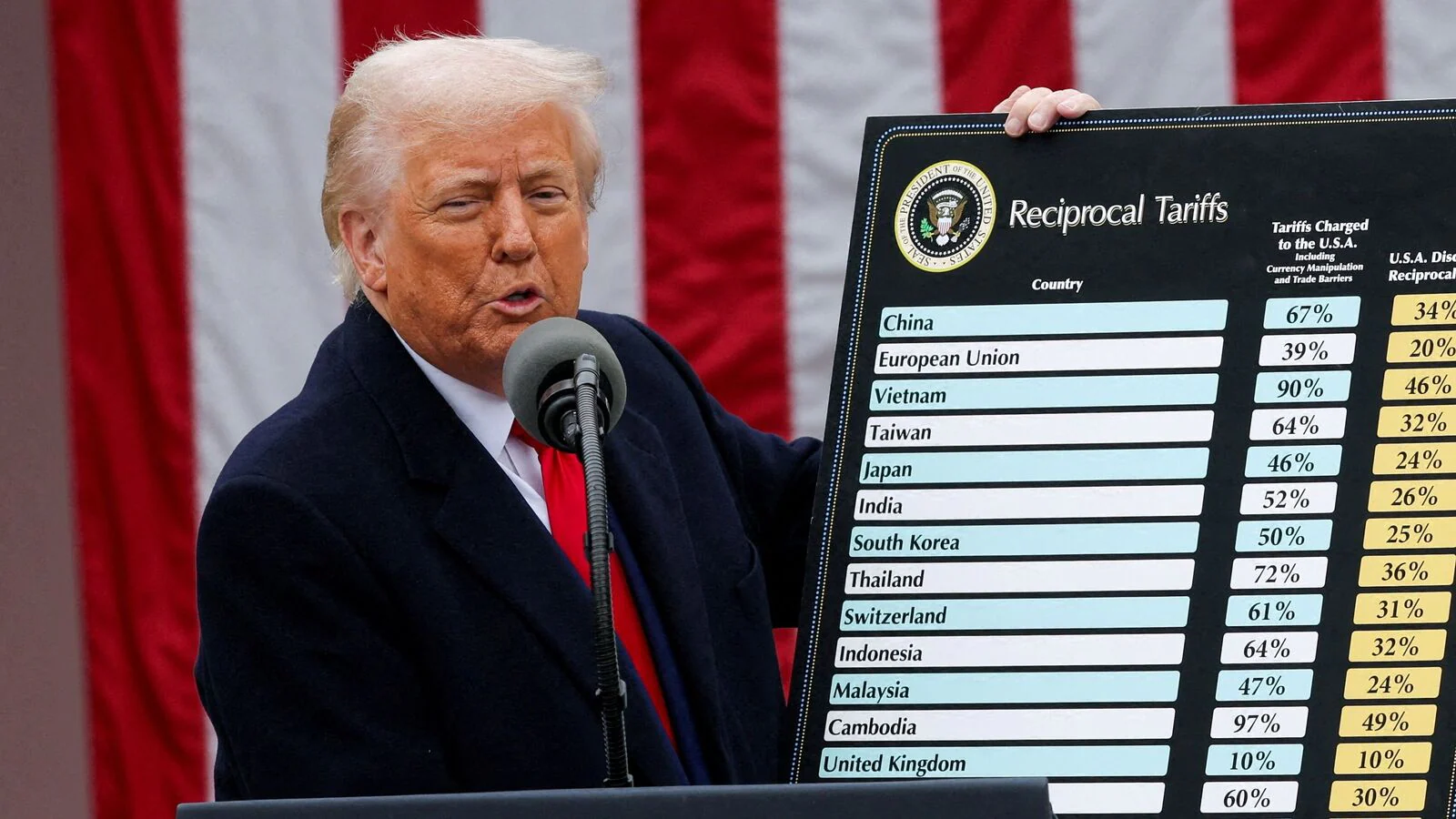
It is believed in Iran that India is changing its attitude towards the relation with Iran, Russia, especially after India joined BRICS bloc and follow BRICS directions and showing the US President Trump that India is not like Qatar, Kuwait, South Korea or Japan etc. to order them and they follow the US. India is a big and independent country that follow its unique policy and thus align its national interest and this new stance is welcomed in Iran and Iran is hopeful that it will further strengthen the relationship.
Mark: How do you see relations between Iran and Taliban. From Iranian POV, having Taliban as neighbor is good or bad?
Ali Omidi: Iran understands that Taliban doesn’t have comprehensive government that include all factions and ethnicity in Afghanistan and that Taliban is not a democratic entity in Afghanistan. But the order is much better and Taliban has even brought relative order especially in the border regions between Iran and Afghanistan. Iran has adopted 2-factor methodology, developing high-level engagement and establishing de-facto ties. Iranian attitude toward Afghanistan and Taliban is pragmatic and Iran has several times pointed to Taliban authority that if Taliban could make a comprehensive government, then Iran can recognize the Taliban as De-Jure entity in Afghanistan. There is a growing relation between Iran and Afghanistan. Also, Afghanistan is one country where U.S. sanctions, doesn’t work fully like Herat city, their Exchange offices can be used for bypassing U.S. sanctions especially for importing paper dollar inside Iran. Otherwise, there is lot of cultural commonality between Iran and Afghanistan, language and cinema is a common bond between us. Afghans prefer Iranian goods but currently Afghan economy is very limited and Iran cannot completely depend on that.
Mark: How are the Iran-Turkey relations growing, considering their rivalry?
Ali Omidi: Ever since Erdogan presidency potential to develop economic relations has always been high but because of sanctions and maybe laziness from Iranian side in actualizing the way for economic policies, capacities did not realize. Volume of trade is about 5 billion USD and these isn’t any hindrances as such. During Erdogan, the relation between Ankara and Jerusalem weren’t warm especially during the Gaza war and Erdogan made rhetoric against Israeli authorities, especially Prime Minister Netanyahu and was a big defender of the Palestinian cause. But in Caucasus, there is some constraint in relations, especially Zangezur corridor and Iran believes that Ankara is behind that project and Ankara is trying to undermine Iranian geopolitical capacity, so there is some ups and downs but overall, the relation is smooth and growing.
Iran have a grand outlook, Iran is looking to have a special position where it has gravity position in big corridors like BRI, South and North corridors. So, in this context Turkey acts as a route and medium to these projects.
Iran want BRI connect to Iranian territory to Turkey and then to Europe. The target is Europe. It will be beneficial for both countries to sign a MOU or Agreement in this area. Iran believe that Iranian territory and geography has the potential to connect these two big corridors.
Mark: How is the Iran-Pakistan relations currently? Iranian intelligence chief visited Pakistan, what were key discussion about?
Ali Omidi: Iran do not count much on Pakistan, especially the peace gas pipeline was a negative experience for the Iranian authorities and overall on economic relations. There is a lot of capacities but Iran is of the opinion that Pakistan doesn’t have strong political will to develop mutual relations. Recently Iranian National Security Secretary Mr. Larijani traveled to Pakistan, where Pakistani authorities promised to develop better relations but I as an analyst also don’t expect a lot between Iran and Pakistan.
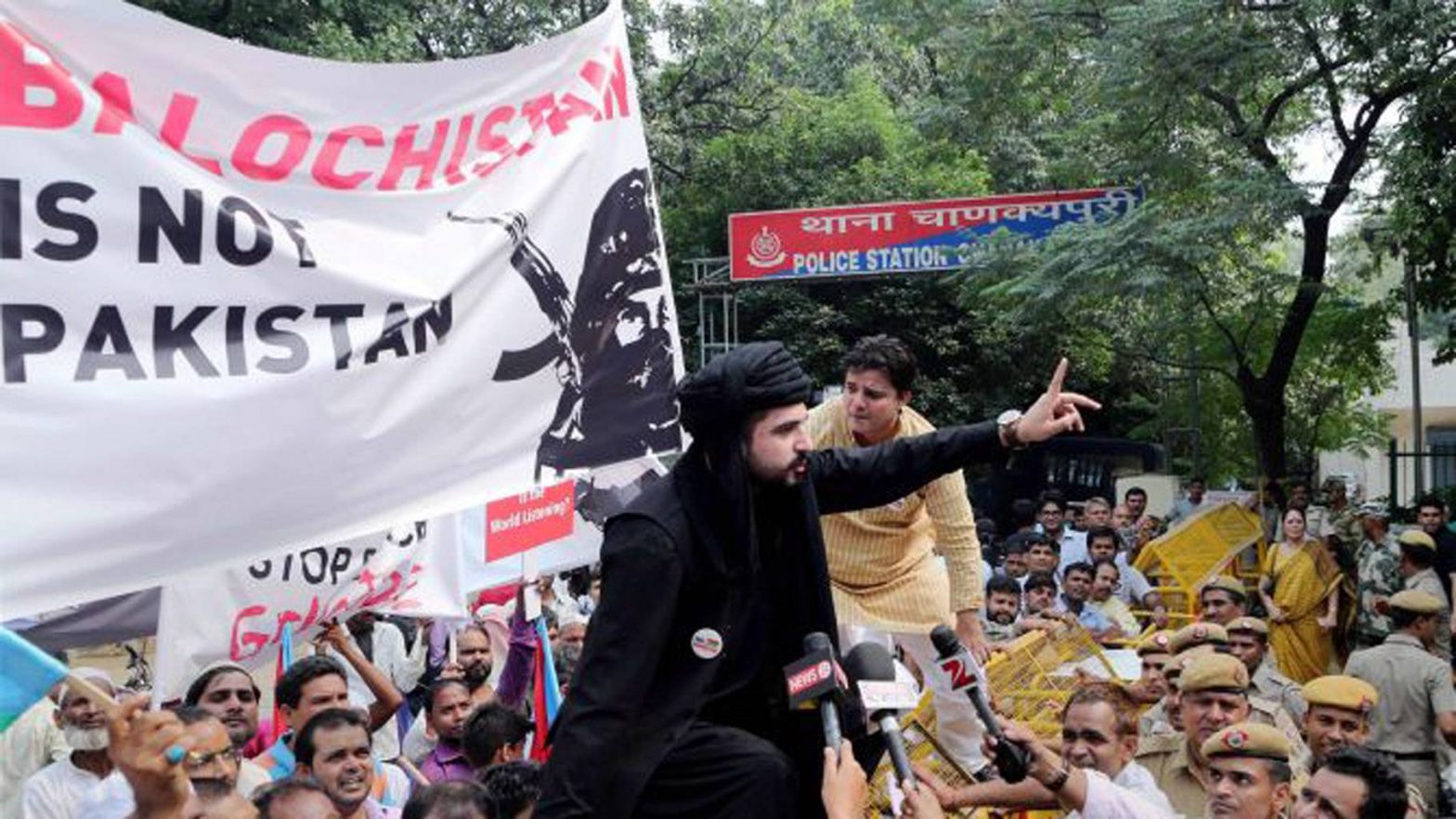
There is no political tension between the neighbours except that Iran has highlighted to the Pakistan of use of Pakistan territory by Iranian Baluch irredentists as a safe haven and equip themselves and then come to Iran and attack Iranian enforcement forces and Iranian police station, etc. and even kill innocent people in Iranian Balochistan province. Iran always has complained about inaction of Pakistani authorities in this area and Iran come to this conclusion that they cannot count on Pakistan promises.
Sometimes Iranian military themselves take counter measures against the Baloch separatist bases inside Pakistan. Two years ago, Iran did a missile attack but it has very bad repercussions inside Pakistan political circles. Pakistan did a counter the attack inside Iranian territory. Iran conduct several low-level attacks to Baloch separatist bases inside Pakistan. And another issue which Iran believe is that Pakistan political system is aligned with the West and Saudi Arabia, so overall impression is that you cannot count on Pakistan.
The Way Forward
Iran’s regional posture today is defined less by ideological rigidity and more by calibrated pragmatism. With India, Tehran sees strategic autonomy and significant economic potential constrained primarily by sanctions. In Afghanistan, it pursues cautious engagement rooted in stability and cultural affinity. With Turkey, rivalry coexists alongside corridor-based interdependence. With Pakistan, mistrust tempers formal diplomacy.
Underlying all of this is Iran’s geographic imagination: a vision of the country as a central node in emerging Eurasian corridors linking South Asia, the Caucasus, Central Asia, and Europe. Whether these ambitions materialize will depend not only on regional diplomacy but also on the broader architecture of sanctions and great power competition shaping the international order.