



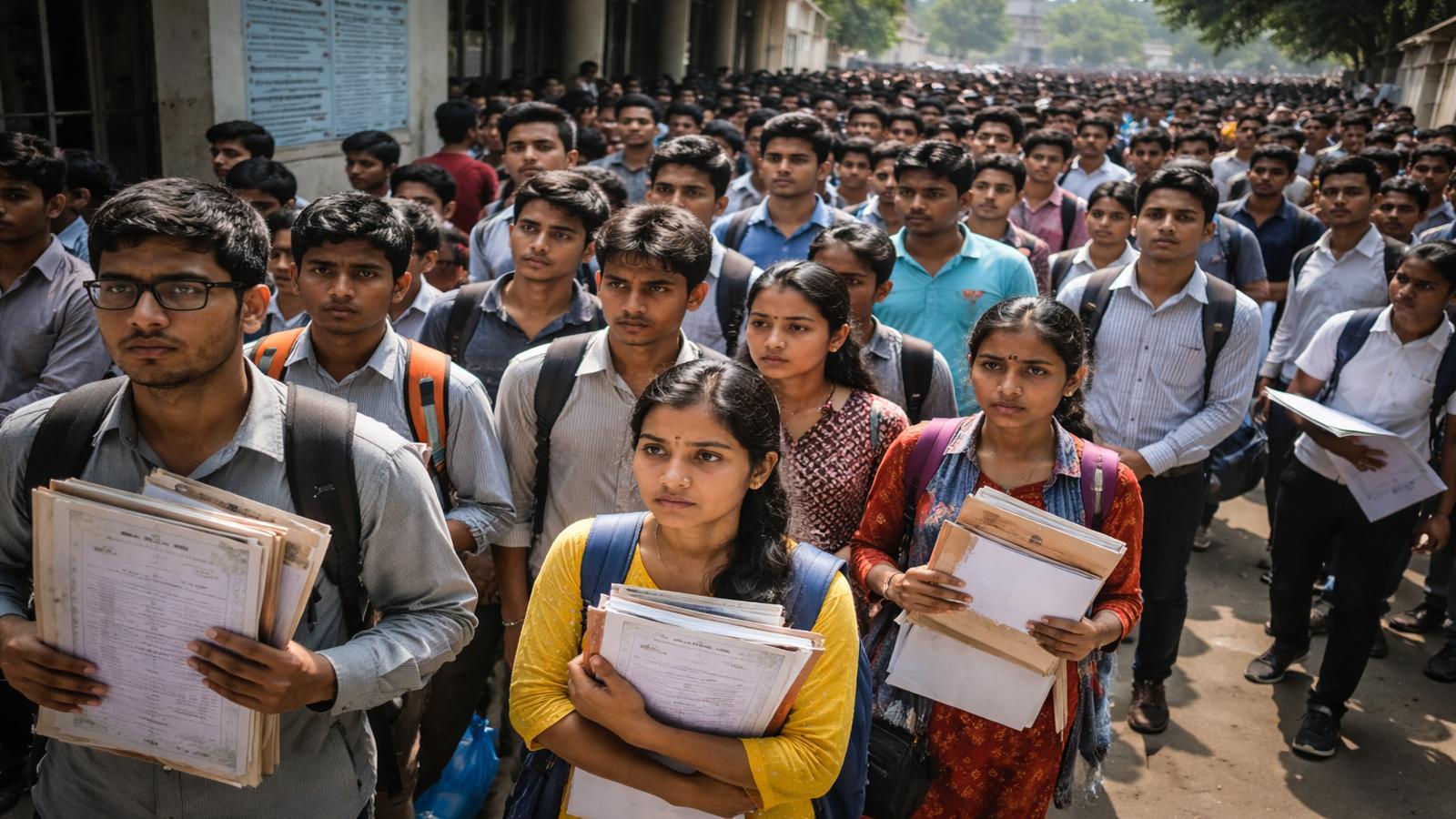



If you walk through a university canteen in 2026, you will see a generation debating new AI tools, discussing the new budget, sharing Spotify playlists, or collaborating on startups. On a surface level, they all have friendships that seem to defy traditional boundaries of religion, caste, or gender. Yet, underneath this picture-perfect scene, there exists a darker reality.
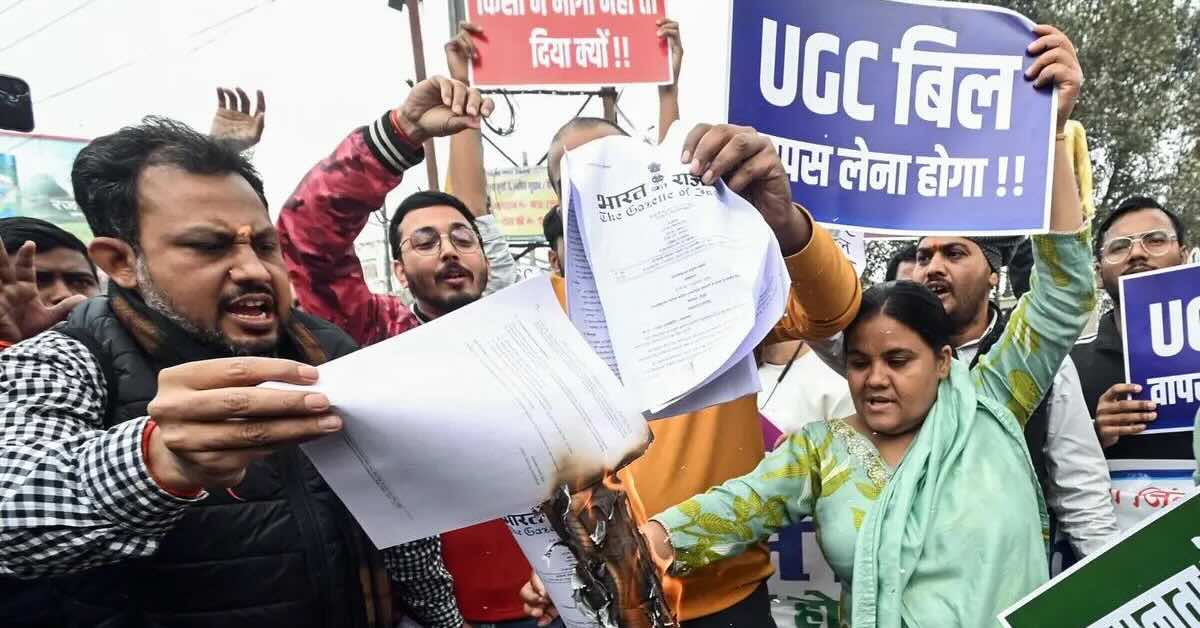
The University Grants Commission (UGC) recently reported a shocking 118% increase in caste-based discrimination complaints across higher education institutions over the last five years. High-profile tragedies, like the deaths of Rohith Vemula and Payal Tadvi, serve as haunting reminders that for many, the campus is not a place of learning but a battlefield that needs to be faced every day. Against this backdrop, the UGC notified the 2026 Equity Regulations.
However, in the attempt to fix a systemic crisis, the UGC made a critical error. It narrowed the definition to protect only specific groups and excluded the “General Category”. Therefore, instead of bridging the divide, it solidified it.
The Silo-Fication of Campus Life
The problem with the new UGC guidelines, specifically Regulation 3c, is that it diverts from the idea of universalism. It defines caste-based discrimination as something that can only be perpetrated against SC, ST, and OBC students, implying that “General Category” exists in a vacuum.
Discrimination is an act; it is not an inherent trait. By giving the right to protection to only specific categories, we are further creating a “hierarchy” which is exactly what the caste system does and why it is considered evil. Can’t a general category student be bullied because of the region where he comes from, the language that he speaks or simply because he has some “privilege” which others might not have?
Telling such a student that he does not fit in the definition of a victim is like telling him that his dignity is a secondary concern just because he is born into a certain caste. Isn’t this exactly why we despise the caste system in the first place, because it creates a system of exclusion?
The Surveillance of the “Implicit”
The new guidelines introduce the vague concept of “implicit bias”, discrimination that is unintentional or unconscious. To address this, the UGC has mandated a 24-hour inquiry process.
These ideas sound good in mind, but ignore the reality we live every day. Building a friendship is a process where there are several trials and errors. It is a messy process of learning boundaries. When there comes an immediate, high-stakes investigation into unconscious thoughts, it highly reduces the possibility of having inter-caste friendships.
For a generation that has been trying to build organic relations, such a regulation is no less than a threat. Also, the absence of the safeguard of “false-complaint” will result in fear among students, cause one misinterpreted comment can trigger a career-altering inquiry within a day.
Towards a Universal Code of Conduct
A law should protect individuals and not labels. Justice works best when it serves individuals and protects their rights. We need a Universal Anti-Discrimination Code that penalises the act of harassment regardless of the identity of the victim or the perpetrator.
It should be irrelevant for the investigation whether the student is from a reserved category or from the general category. If a student is shamed for their background, it is a violation of human dignity, period. Everyone should be accountable, and everyone should be safe, irrespective of their caste.
Conclusion: Trusting the Future, Not the Past
The students of 2026 would no longer like to belong in the silos of 1950. They are trying to live in the reality of the 21st century and are already doing the hard work of building an inclusive India through shared struggles and successes.
They don’t need a policy that forces them to look at their friends as “potential complainants” or “protected classes”. They demand equality when it comes to human dignity and the protection of identity.
The Supreme Court’s stay on these regulations provides a crucial window for the UGC to rethink its approach. It is time to stop making rules for the India of 1950 and start protecting the students of today.
About the authors: Yashika Paraswani is a student at Maharashtra National Law University, Mumbai and the Managing Editor at LawLex.Org. Aryan Kadam is a student at Symbiosis College of Arts and Commerce, Pune.
Note: The opinions reflected in the article are the author’s own and do not necessarily reflect the views and editorial line of ForPol.