





The Peculiar Politics of Urdu-wood
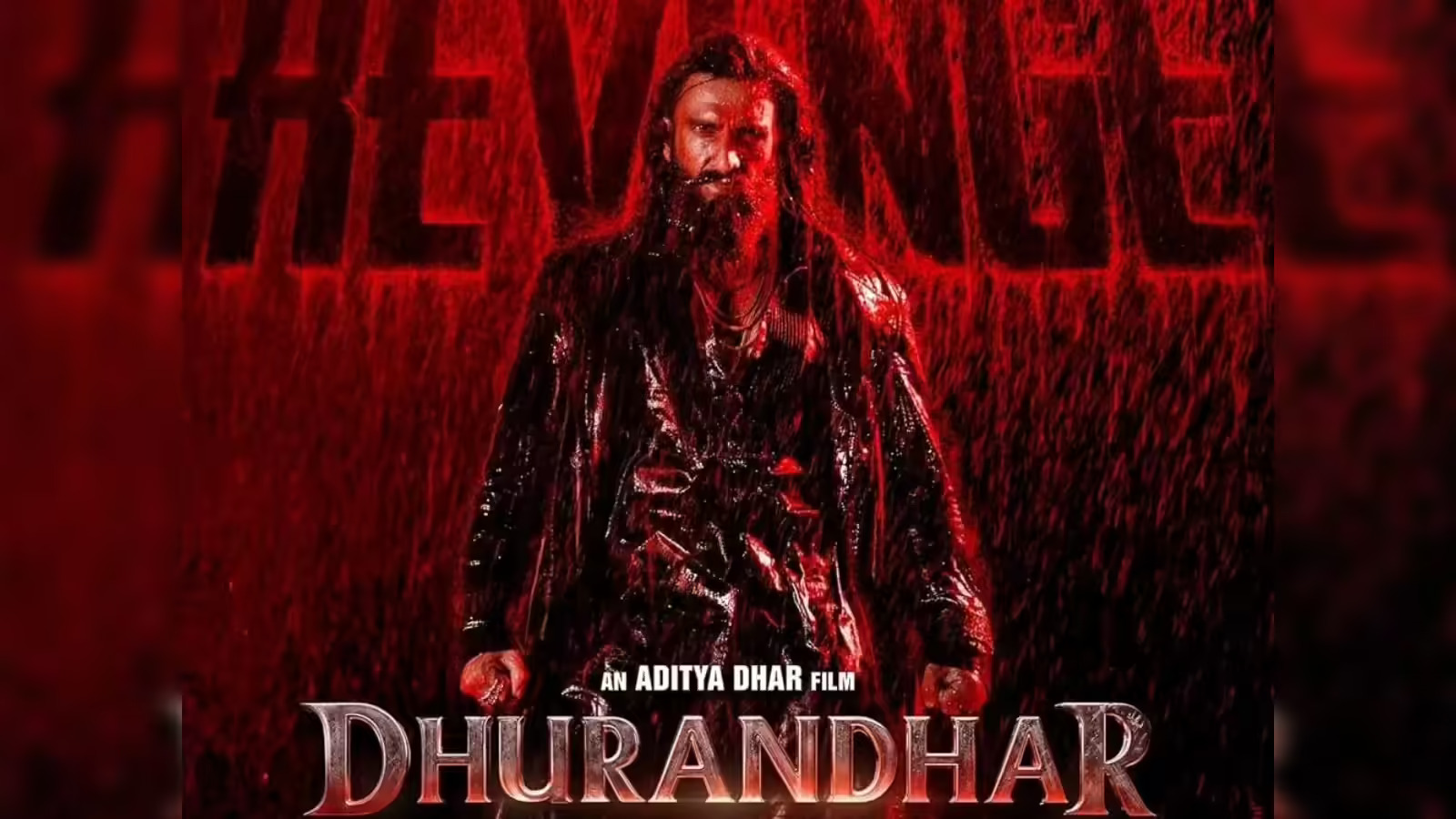
I am a Bond franchise fan growing up since the 1990s, and GoldenEye and Die Another Day are among the references that come to mind when running through cinematic references. Bollywood has its own share of spy thrillers, with the Tiger Franchise and recently, Pathan, smashing box office records. Neeraj Pandey has delivered his own genre of spy movies, such as Naam Shabana and The Wednesday, which are massively popular. Jason Bourne was its own set of spy movies in the aftermath of the Cold War, and the Post 9/11 world had its own aesthetics. The Modi era in India is well into its third term, and the stranglehold of the Left on the media and Urdu-wood is finally weakening. The progressive favourite of the Film critic crew, the spouse of a film director who is the antithesis of a Kashmiri Pandit, was cancelled after she reviewed Dhurandhar Part One, which was the sign of a polity that is fed up with a performativity that masks the reality of violence and terrorism.
Bollywood had its own politics, tilting towards the left (and soft Islamism) for many decades. A soft power magnet, with Mother India being shown in Nigeria[1] As a popular film, Sangam was a roaring success in Malaysia. In recent years, Shah Rukh Khan was the default brand ambassador for the diaspora cinema genre, with many of his chartbusters’ mainstream anthems in Malaysia and Indonesia. Shah Rukh Khan was honoured with a Dato-ship by the Sultan of Melaka state, as Don was shot there. In the Modi years, the Hindu Nationalist narrative is slowly gaining ground with KGF, Kantara, RRR, and Bahubali. The traditional flag bearers of Urdu-wood, Yash Raj and Dharma, are in dire straits, with Dharma being sold off to a politically progressive vaccine manufacturer. Many YRF projects are shelved, including movies from their spy-verse, after the disaster called War 2. The old script is not working with the Hindi/Hindu heartlands, which seek a roottedness in the stories, and has a confidence that was unheard of even a few years back.
The Global Jihad Backdrop
The winds have been moving, with Vivek Ranjan Agnihotri taking charge with the Tashkent Files, followed by the Kashmir Files, which was made on a shoestring budget and grew to be a super hit at the box office. The film tapped into a pathos that stemmed from a place of psychic hurt. The Kashmiri Pandit genocide was brutal and was treated as a footnote in the tail end of the Cold War, and the emergence of Hindutva politics of the Ram Janmabhoomi movement. The Kashmiri Pandit exodus was felt by many, including a neighbour in my housing block in Mumbai, where the family moved from Srinagar. The Kashmiri Pandit family of Director Aditya Dhar of the 8-hour magnum Opus, Dhurandhar, split into two parts, produced by Reliance-owned Jio Studios, experienced the exodus. Aditya Dhar grew up in Delhi in the aftermath of the exodus. The pathos underwrites his politics.
Cinema is a medium of redemption, of justice for the Hindus of the valley, who left their homes in the aftermath of terrorism. The turbulent decade of the 90s was the high-water mark of global jihad. The 1998 Mombasa bombings by Al Qaeda were the precursor to 9/11. The energy for global jihad was generated by the Taliban, and the IC814 hijacking ended up in Kandahar, where Jaswant Singh went along with Ajit Doval to free up the hostages. Dhurandhar (part one) starts with the hijacking and a terrorist mocking Ajay Sanyal, the name of the character mirroring Ajit Doval, that Hindus are a meek polity (Hindu, bahut darpok quam hain), and we live next door, do what you can when the hostages are on the verge of getting released. The Parliament Attack by an IC814 terrorist reiterated that India can be attacked at will. The scenes from the 26/11 Mumbai attacks sent a shiver down one’s spine as the actual audio of the handlers was played out in part one of the movie. The research consultant for the movie, Aditya Raj Kaul, a terrific journalist and fellow Kashmiri Pandit, has added a documentary-esque rigour to the movie. The music, which is a strategic character in the movie, is political and pulsating. The music makes the movie work at the human scale.
The Redemption of a New India
The movie is a universe of characters mobilised to map the Indian security architecture’s effort over the past twenty years to pay back in equal measure, for 26/11 to IC814. The politics of the movie are transparent; it is an establishment movie. The Hindutva politics of the movie is a part of the redemption arc of the Kashmiri Pandit, where the Ram Mandir Supreme Court judgement is referenced, and a creative rationale for Demonetisation to the Naya Bharat dialogue. The movie unlocks the subliminal emotions of a generation that grew up on terrorist attacks in the news, one after the other. The two-part Dhurandhar movie is cathartic at many levels, and behind the incessant violence, Kill-Bill style, is a man (and a generation of Indians) trying to catch up with the ghosts of 1990.
Written By : Manishankar Prasad.
Kuala Lumpur–based consultant and researcher-writer Manishankar was born in Bombay and grew up in Muscat. His work primarily focuses on the intersection of high finance and transnational migration. You can reach him at his linkedin here – https://www.linkedin.com/in/manishankarprasad/