


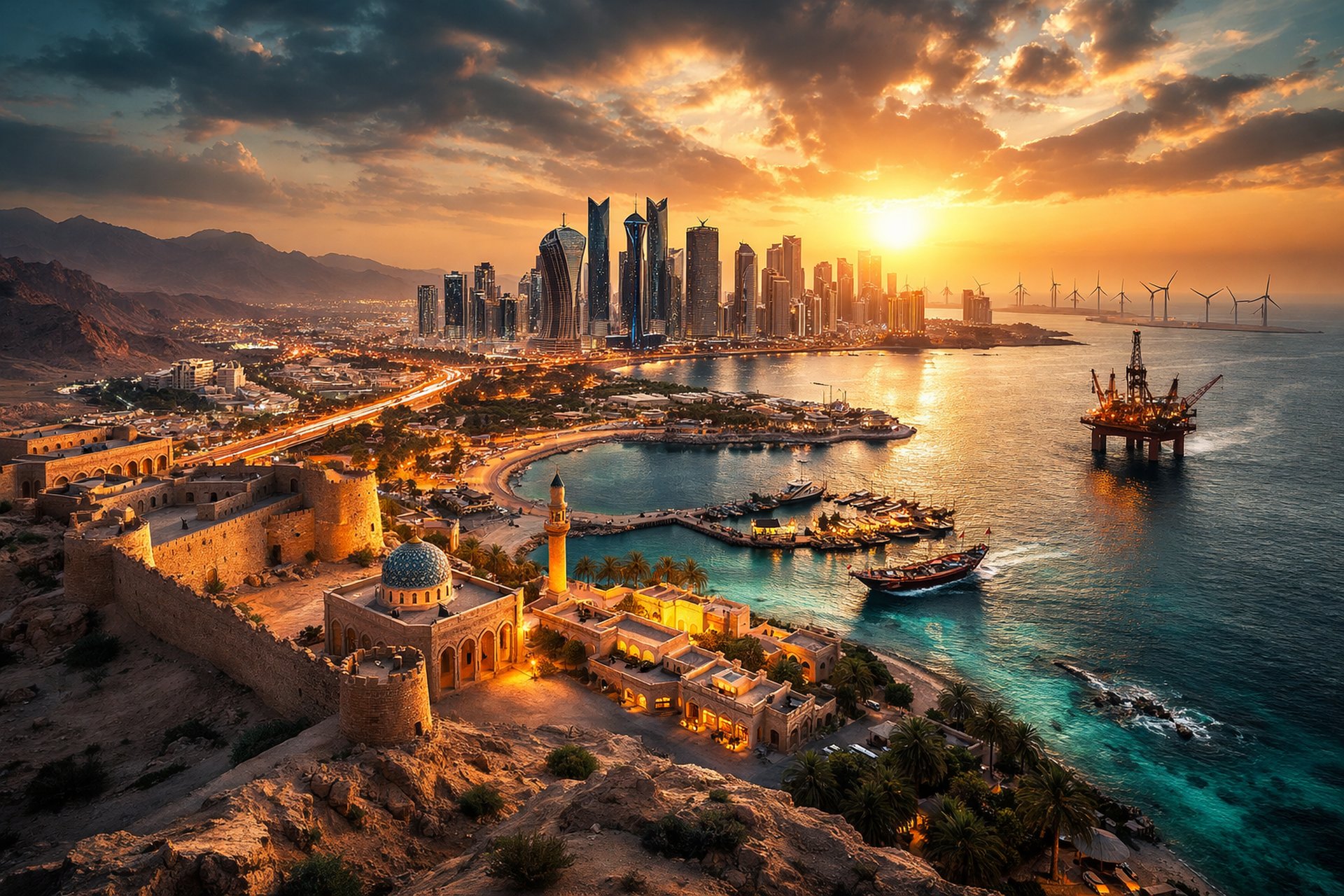


The Gulf is often described through extremes. It is portrayed as a region of effortless wealth or as a fragile petro-economy vulnerable to collapse. Both characterisations flatten a far more complex reality. The Gulf has developed within conditions of sustained volatility. Its political systems, economic models, and social contracts evolved in response to that volatility rather than in spite of it.
To understand its present trajectory, one must begin with genealogy (Nasab).
A Modern Region Shaped by Imperial Geography
Before oil reconfigured its global importance, the Gulf occupied a strategic space between competing powers. Ottoman influence extended from the north, Persian authority shaped the eastern flank, and British imperial interests dominated maritime routes from India westward. The British secured port cities through protectorate arrangements, ensuring control over sea lanes while allowing local rulers to retain internal authority.
Modern statehood in the region is relatively recent. Saudi Arabia consolidated under the Al Saud in 1932. The United Arab Emirates emerged as a federation in 1971. Oman’s contemporary political era began after 1970 under Sultan Qaboos. Kuwait and Qatar, in their present form, also took shape during the twentieth century.
These states were formed through negotiation, consolidation, and strategic balancing. Their political identities developed in proximity to larger powers and regional rivalries. Instability was present at the moment of their formation.
Oil Cycles and Economic Memory
The oil boom transformed infrastructure, welfare systems, and global influence. However, hydrocarbon wealth has never provided uninterrupted stability. The region has experienced repeated price shocks, including the global repercussions of 1973, the downturn of the late 1990s, and the significant price collapse in 2014.
Each cycle brought fiscal pressure. Public spending slowed. Expatriate labour markets contracted. Governments adjusted subsidy structures and development priorities. The experience of downturn is therefore embedded in the Gulf’s economic memory.
Older generations recall periods of austerity. Younger citizens are entering labour markets that are more competitive and less reliant on guaranteed public employment. Financial caution is widely present beneath the surface of prosperity. Oil wealth has been transformative, but it has not insulated the region from cyclical correction.
Internal Differences Within the Gulf
It is important to avoid treating the Gulf as a single economic unit. Qatar and Kuwait have relatively small citizen populations combined with substantial hydrocarbon revenues, resulting in more uniform distribution among nationals. The United Arab Emirates is prosperous but displays variation across emirates. Saudi Arabia manages a larger and more demographically diverse population, with regional economic disparities. Oman operates within narrower fiscal margins and has adopted gradual reform strategies.
These structural differences shape how each state absorbs pressure. However, none of them are unfamiliar with contraction. Fiscal adjustment has occurred multiple times across decades, and governance models have evolved with this expectation.
Political Heat as a Recurring Condition
Economic volatility exists alongside a long history of regional upheaval. The displacement of Palestinians in 1948 altered the political landscape of the Arab world. The wars of 1967 and 1973 reshaped alignments. Iran’s 1953 coup, the Iran-Iraq War, the Gulf conflicts of the 1990s, the Arab Spring, and ongoing conflicts in Syria and Yemen have formed part of the broader environment.
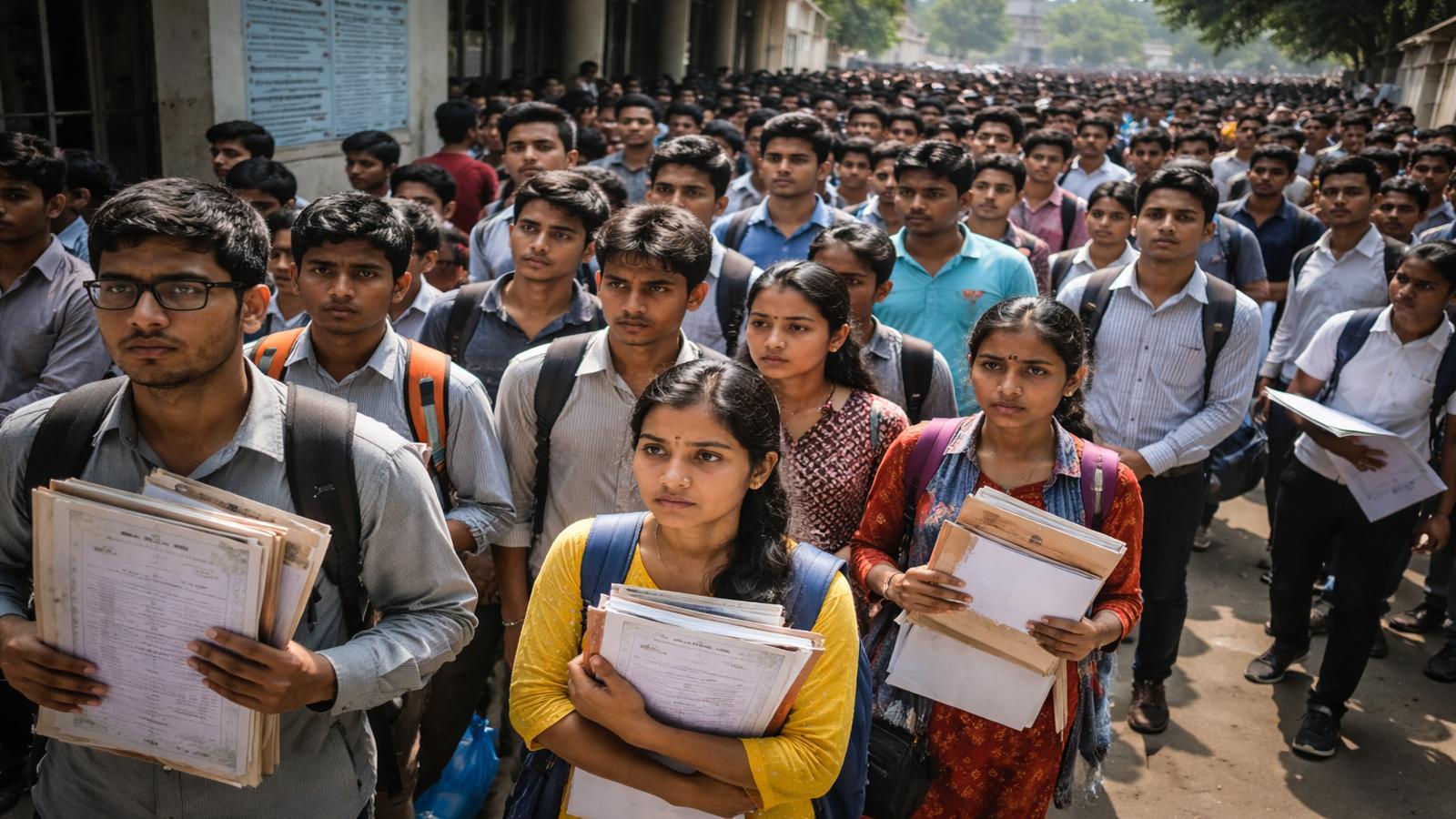
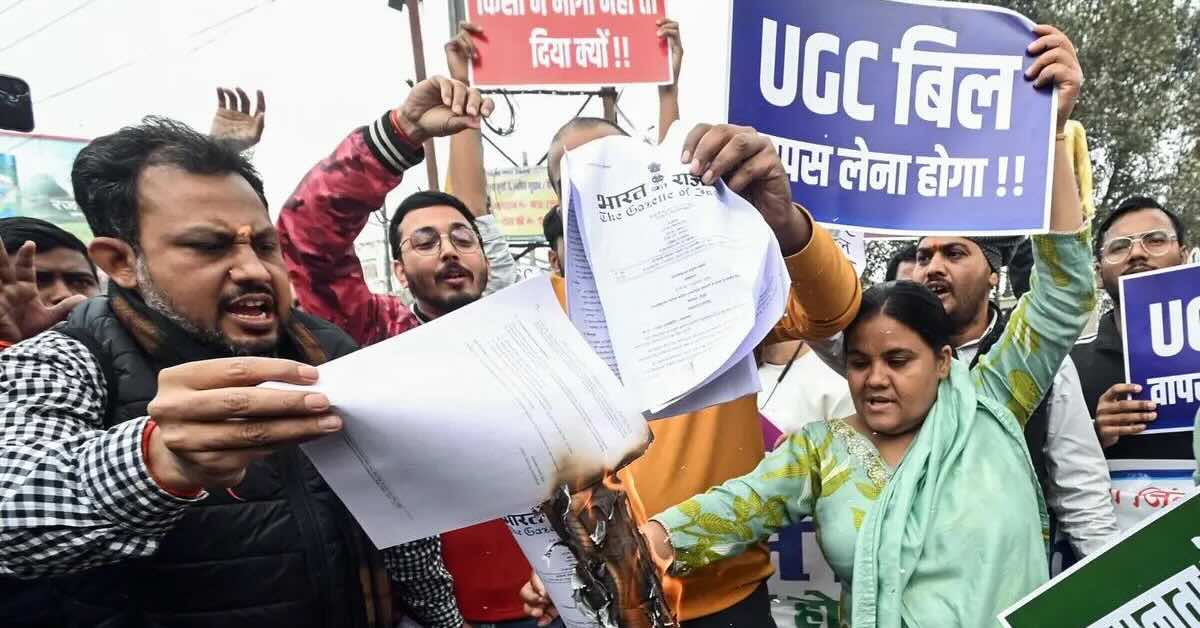
Domestic protest has also appeared periodically. Demonstrations during the Arab Spring affected several Gulf states. Oman witnessed unrest in Sohar. Saudi Arabia’s Eastern Province experienced tension. Job-seeker protests continue to surface intermittently, including gatherings in Muscat after Friday prayers.
Security responses have been firm. Arrests and detentions have occurred. Political boundaries are clearly defined. Yet systemic breakdown has not followed. Governance in the Gulf combines welfare provision, close monitoring of social currents, and decisive enforcement. Citizen populations are comparatively small, which allows governments to intervene rapidly when pressure builds. This pattern reflects management rather than absence of dissent.
Welfare Structures as Stabilising Mechanisms
The Gulf’s social contract has long been structured around state provision. Subsidised utilities, healthcare, education, and public employment formed the backbone of this arrangement. Although reforms are gradually reshaping benefits and introducing taxation in some cases, substantial fiscal reserves remain in place.
Sovereign wealth funds operate as macroeconomic buffers. They allow states to draw on accumulated capital during downturns. This capacity reduces the speed at which fiscal stress translates into social instability.
Youth unemployment and demographic expectations present real policy challenges. Economic diversification remains incomplete across the region. However, financial reserves, strategic planning, and controlled reform processes provide governments with room to manoeuvre.
The Question of the Post-Oil Future
The global energy transition has intensified scrutiny of the Gulf’s long-term sustainability. Some analyses suggest that declining hydrocarbon centrality will erode the region’s foundations. Such assessments underestimate the historical adaptability of Gulf societies.
Prior to oil, the region functioned through trade, maritime networks, and regional diplomacy. Oil accelerated state-building and modernisation, but it did not create the instinct for strategic recalibration. Current diversification efforts in logistics, aviation, finance, tourism, technology, and renewable energy are not peripheral initiatives. They are central to long-term planning frameworks.
The pace and success of diversification will vary by country. Nonetheless, planning for transition is not an afterthought. It is integrated into national strategies.
Continuity Through Management
The Gulf’s endurance cannot be explained by resource wealth alone. It is rooted in an accumulated experience of navigating constraint, rivalry, and fluctuation. Economic downturns, regional wars, and episodes of domestic unrest have not been anomalies. They have been recurring tests.
Political systems in the region are designed around containment, adjustment, and fiscal cushioning. This does not eliminate risk. It does, however, suggest that collapse is not the default trajectory.
The Gulf has developed within pressure and has refined mechanisms to manage it. Its future will continue to be shaped by volatility, but volatility is neither new nor unfamiliar. That historical continuity remains one of the region’s most significant strengths.
Written By : Manishankar Prasad.
Kuala Lumpur–based consultant and researcher-writer Manishankar was born in Bombay and grew up in Muscat. His work primarily focuses on the intersection of high finance and transnational migration. You can reach him at his linkedin here – https://www.linkedin.com/in/manishankarprasad/