









Imperial decline is rarely announced by a single defeat or a sudden collapse. More often, it becomes visible through moments that expose a widening gap between how a state understands its power and how that power actually functions within the global system. The Suez Crisis of 1956 was such a moment for Britain. January 2026 may serve a similar function for the United States. The comparison is not metaphorical or rhetorical. It is rooted in measurable economic constraints, shifting financial architecture, and the persistence of strategic habits that no longer align with material reality.
Britain in 1956: Global Military Reach Constrained by Fiscal Reality
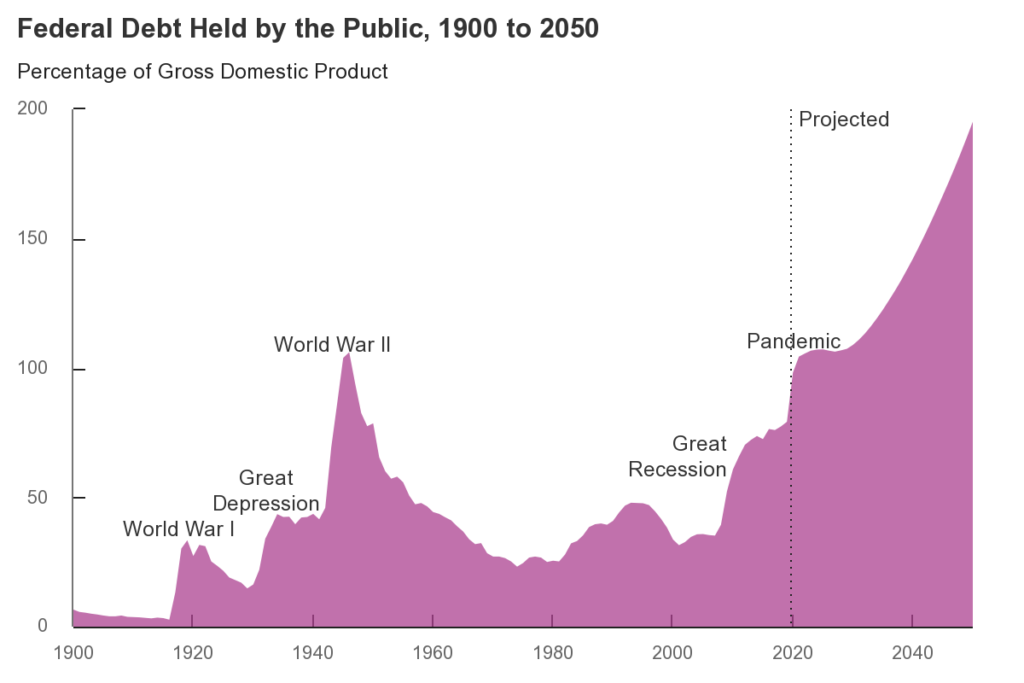
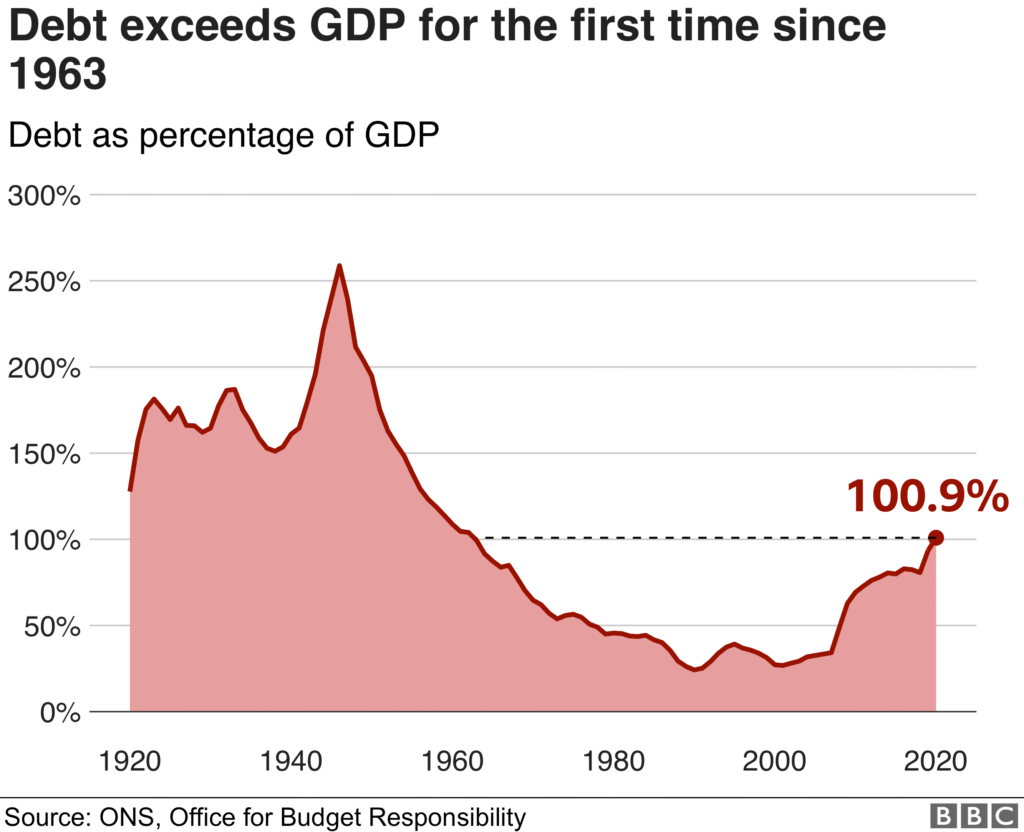
By the mid 1950s, Britain remained a formidable military power with worldwide bases, a permanent seat on the UN Security Council, and a long institutional memory of empire. Yet this outward strength masked a deep economic fragility. Britain emerged from the Second World War with public debt at approximately 240 percent of GDP. Although post war growth had begun, the economy was highly exposed to balance of payments pressures and dependent on external financial support.
Sterling no longer functioned as the world’s principal reserve currency. Its role had been decisively displaced by the U.S. dollar, leaving Britain vulnerable to speculative attacks and capital flight. This vulnerability mattered because Britain’s ability to pursue independent foreign policy depended on access to international liquidity. When Egypt nationalized the Suez Canal, British leaders assumed that military force, combined with residual prestige, would secure compliance. Instead, the United States used financial leverage to impose discipline. By threatening to withhold IMF support and allow sterling to collapse, Washington demonstrated that Britain’s strategic autonomy had become conditional.
Suez revealed that Britain could still project power, but it could no longer absorb economic retaliation. The empire’s reach had outlasted its fiscal foundation.
The United States in 2026: Scale of Power Matched by Scale of Debt
The United States today occupies a structurally comparable position, though at a different magnitude. Federal debt now exceeds 120 percent of GDP, a level historically associated with reduced strategic flexibility rather than immediate decline. Debt servicing costs have risen sharply, approaching levels comparable to Cold War era defense expenditures. While the United States continues to issue the world’s primary reserve currency, that dominance is no longer exclusive.
At the turn of the millennium, U.S. public debt stood near 55 percent of GDP and the country accounted for roughly 30 percent of global output. By 2025, America’s share of global GDP had declined to approximately 24 percent. The dollar still anchors global finance, but its share of foreign exchange reserves has fallen steadily over the past two decades. This shift does not indicate imminent collapse, but it does signal reduced insulation from geopolitical and financial backlash.
The historical lesson is clear. Empires do not lose power simply because debt rises. They lose power when policy assumes that debt no longer constrains strategic behaviour.
Imperial Reflex in a Changing Economic Order
The actions undertaken this week under Donald Trump, including the seizure of Russian linked oil tankers and the forcible removal of Nicolás Maduro from Venezuelan territory, reflect a familiar imperial reflex. When economic leverage becomes less reliable, states often revert to coercion as a substitute for coordination.
Britain exhibited the same reflex in 1956. The use of military force was intended to reaffirm authority rather than to resolve an immediate existential threat. Venezuela today occupies a similar symbolic role for the United States. It is not a peer competitor. It is a manageable arena where unilateral action appears feasible and politically demonstrative.
Yet history shows that symbolic interventions can trigger systemic consequences. Britain did not anticipate that its closest ally would weaponize finance against it. The United States may similarly underestimate the cumulative impact of reserve diversification, alternative payment systems, and coordinated diplomatic resistance.
Why Venezuela Risks Becoming America’s Suez Moment
Suez mattered not because of the canal itself, but because it exposed Britain’s dependence on a global system it no longer controlled. Venezuela risks serving a comparable function for the United States. If American actions provoke legal challenges, financial countermeasures, or accelerated efforts to bypass U.S. dominated financial channels, the significance will extend far beyond Caracas.
Such reactions would signal that American power no longer guarantees automatic compliance, particularly when exercised outside multilateral frameworks. This is precisely the lesson Britain learned in 1956. The empire did not collapse in that moment, but its authority was publicly redefined.
The danger lies not in immediate retaliation, but in the normalisation of non compliance.
Debt, Strategic Overreach, and the Most Volatile Phase of Decline
Economic historians consistently identify the most unstable phase of hegemonic decline as the period when debt levels are high, military capacity remains strong, and strategic culture has not yet adjusted. In this phase, leaders retain the ability to act, but each action carries increasing systemic cost.
Britain in 1956 still possessed global bases, nuclear ambitions, and institutional prestige. What it lacked was fiscal resilience. The United States in 2026 still commands unmatched military and technological capabilities. What it increasingly lacks is economic insulation from strategic backlash.
This mismatch between perception and reality is what makes moments like Suez, and potentially Venezuela, historically decisive.
The Choice Empires Always Confront
After 1956, Britain recalibrated. The process was uneven and often humiliating, but it allowed the state to stabilize economically and redefine its role within a transformed global order. The empire ended not with collapse, but with adjustment.
The United States now faces a comparable choice. It can align strategy with economic fundamentals and acknowledge a multipolar financial landscape, or it can continue to act as though scale alone ensures dominance.
Suez did not destroy the British Empire. It revealed that the empire had already changed while Britain had not. January 2026 may yet come to be remembered in the same way.

3 Comments
Weekend Mega Linkfest: 16 January, 2026 - DCG ELITE
January 7, 2026[…] Venezuela is America’s Suez moment (ForPol) […]
When Empire Came North: Why Europe Suddenly Discovered Its Red Lines
January 7, 2026[…] […]
John Mearsheimer, Donald Trump, and the Realist Paradigm of Great Power Politics
January 7, 2026[…] […]