




On January 26, the Jaffar Express passenger train came under attack near Shikarpur in Sindh. An explosion triggered by an improvised explosive device (IED) planted on the railway track caused three carriages to derail.This was the third attack on railway services this year in Balochistan and adjoining areas of Sindh, all of which were claimed by the Baloch Republican Guards (BRG). The incidents led to hours-long suspensions of rail traffic and deepened public anxiety about the safety of train travel.
The Baloch Republican Guards (BRG) carried out their first known operation in 2013. Initially, the group was active in Sibi and Naseer Abad. Mir Bakhtiar Khan Domki is often alleged to be its leader, although he has never acknowledged this role.
Mir Bakhtiar Khan Domki is a former member of the Balochistan Assembly. In January 2012, his wife, Zamur Bugti, the sister of Baloch Republican Party (BRP) leader Brahamdagh Bugti, along with their young daughter Janah and their driver Barkat Domki, were shot dead in Karachi’s Gizri area while traveling in a vehicle.
Later the same year, in December, Domki’s convoy was attacked by unidentified assailants in the Bibi Nani area of Kachhi district, though he survived.
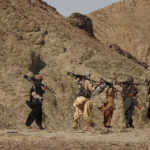
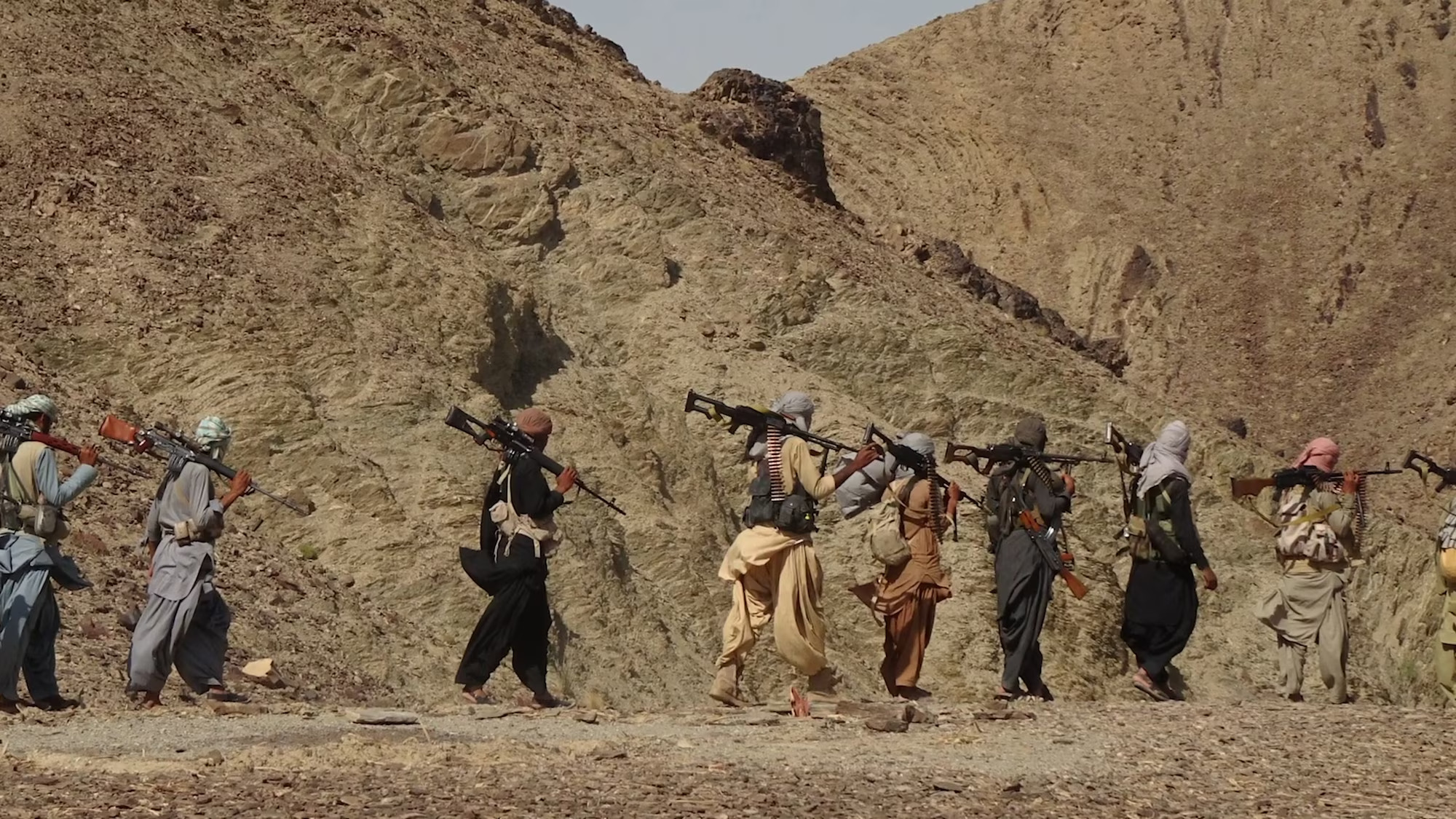
Over the past thirteen years, the BRG has steadily expanded the scope of its operations. Its activities have spread across Quetta, Dalbandin, Mastung, Dhadar, Sibi, Naseer Abad, Dera Murad Jamali, and Dera Bugti, as well as into parts of Sindh and Punjab bordering Balochistan. The group’s attacks have included the destruction of gas pipelines, electricity pylons, and communication towers, as well as bombings, armed assaults on security forces, and road blockades.
Last year alone, the group carried out 88 attacks, 13 of them targeting train services. Many of these operations involved IEDs, severely disrupting rail transport.
In November 2018, several pro-independence Baloch militant organisations announced the formation of an alliance called Baloch Raji Aajoi Sangar (BRAS). The BRG joined this alliance alongside the Baloch Liberation Army (BLA) and the Balochistan Liberation Front (BLF). Since then, the BRG has remained active in BRAS-led operations, contributing to more coordinated and sustained militant activity.
Attacks on Trains and Infrastructure.
For roughly twenty-five years, armed groups involved in the Baloch insurgency have targeted trains, railway tracks, electricity and communication towers, and gas pipelines. In recent years, attacks on communication infrastructure have increased, and incidents involving the destruction of road bridges have also been reported.
Pro-independence Baloch organisations describe such infrastructure as part of “exploitative projects” and often argue that these facilities are also used for military purposes.
Two years ago, the Baloch Liberation Army launched “Operation Herof” (Black Storm), a series of coordinated attacks across Balochistan. Carried out simultaneously in fourteen districts, the operation included assaults on military, police, and Levies posts, as well as attempts to control major highways.
During that campaign, a key railway bridge in Bolan, dating back to the British colonial era, was destroyed using explosives. Estimates suggest that more than 100 kilograms of explosives were used. The destruction of the bridge halted train services for three months and caused financial losses worth millions of rupees.
Growing Operational Capability
The continuing attacks on trains pose a serious challenge for Pakistani authorities. Officials have invested significant resources in trying to reassure the public that rail travel in Balochistan is safe.
After the hijacking of the Jaffar Express in March last year, authorities stepped up security measures. A bulletproof carriage has since been attached to some trains, equipped with a machine gun, snipers, surveillance cameras, and signal jammers.
Yet despite these steps, attacks on trains continued into January.
The repeated targeting of trains by the Baloch Republican Guards points to a growing operational capability among pro-independence Baloch militant groups, one that ranges from sabotage to the potential to paralyse parts of the rail network altogether.
BRG Urban Guerrilla Unit ‘Parvez Urban Warriors’ (PUW)
In March 2026, the Baloch Republican Guards (BRG) launched large-scale operations in Sibi, Naseerabad, Dera Murad Jamali, Kachi and Sindh.
The BRG Spokesperson, Dostain Baloch announced the Parvez Urban Warriors unit and claimed responsibility for 19 operations in which more than 35 Pakistani military personnel were killed along with the destruction of military installations and blockades.
The Parvez Urban Warriors unit is named after BRG member Parvez Domki Baloch . Parvez Domki was one of the founding comrades of the BRG and began armed struggle on the platform of the Baloch Republican Guards in 2013. He belonged to the Lehri area of Sibi.
In 2021, the Pakistani army besieged his home, where a prolonged and intense battle took place. In these clashes, Parvez Domki was killed along with his mother. According to local sources, his mother also took up arms and fought alongside her son against the Pakistani army for hours.
According to the BRG statement: “The Baloch Republican Guards pay tribute to their comrade by naming the urban guerrilla unit ‘Parvez Urban Warriors’ (PUW) after him, so that every new generation is reminded of his courageous and revolutionary journey.”
Written By: Bahot Baloch
Bharat Baloch is a journalist from Balochistan, covering the Balochistan conflict from 8 years, analysing the situation. Observing Balochistan’s armed & political landscape.